2000 – A Sense of Responsibility Becomes an Initiative
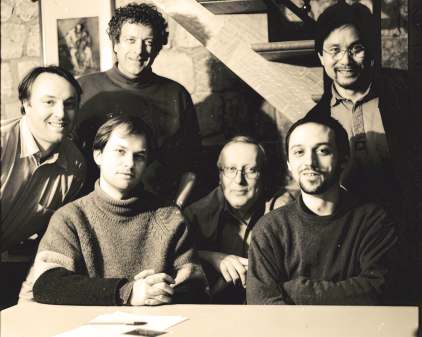
The history of the International Pernambuco Conservation Initiative began in Paris in 2000 within COMURNAT. Bow makers from several countries had recognized that the pernambuco tree (Paubrasilia echinata) is more than the foundation of a centuries-old craft: it also needs protection as a species and as part of the Atlantic Forest. From the outset, the idea therefore went beyond simply securing a raw material. It aimed to bring together conservation, genetic diversity, scientific research, and sustainable use over the long term.
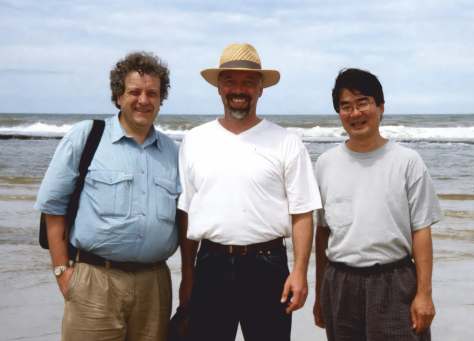
Early initiators and founding members included Marco Ciambelli, Klaus Grünke, Yung Chin, Stéphane Thomachot, Edwin Clément, Jean-François Raffin, Arthur Dubroca, and Mitsuaki Sasano. The initiative was initially based in Paris, with additional IPCI groups later established in Germany, the United States, and Canada.
Partnership Rather Than Outside Direction
One principle shaped the work from the outset: IPCI did not seek to direct projects in Brazil from abroad, but to support Brazilian partners with the necessary scientific, forestry, and regional expertise. The international organization saw its role as a supporter, a facilitator of connections, and a catalyst.
This approach became the foundation for the decades that followed. Research institutions, government agencies, nongovernmental organizations, nurseries, farmers, and members of the craft worked together on a variety of projects.
2001–2008 – An Idea Becomes Concrete Projects
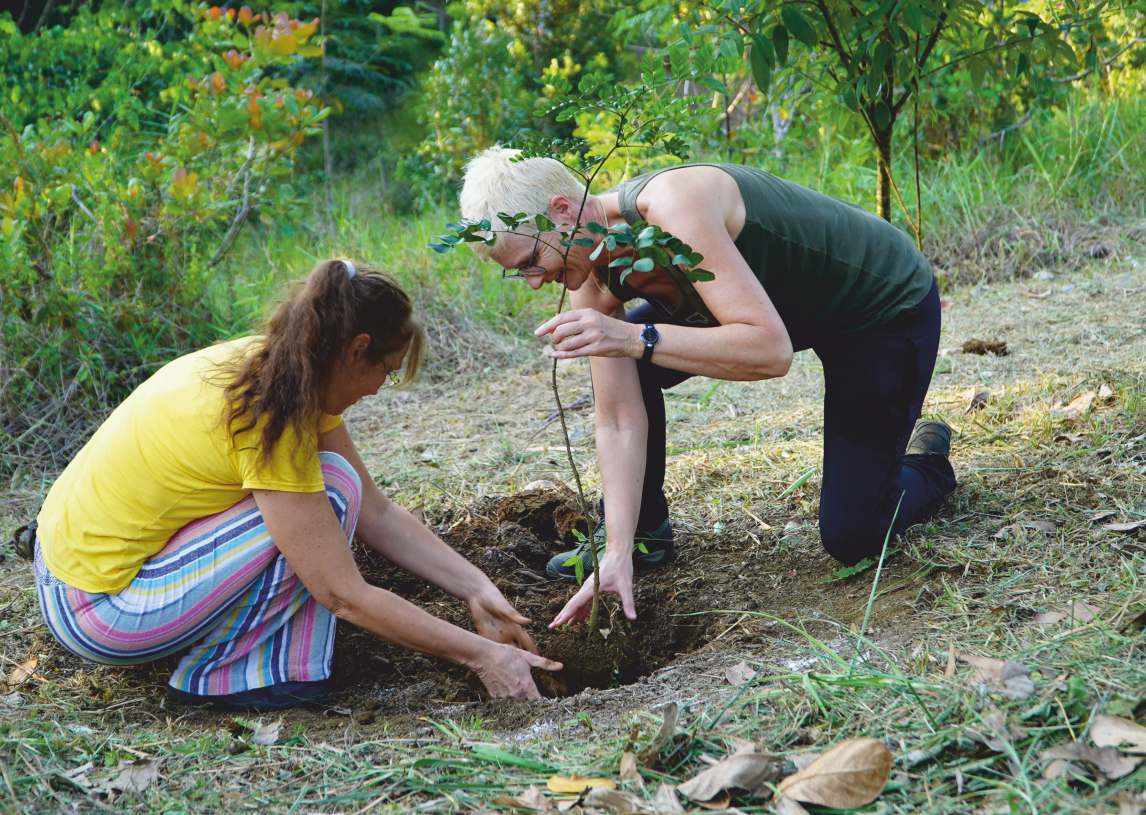
Even the early projects combined planting, local infrastructure, and education. In 2001, IPCI supported FUNBRASIL’s well-drilling work, among other activities, and helped fund a pau-brasil campaign in six municipalities in the state of Pernambuco. Accompanying talks and the planting of 15,000 seedlings at schools and in town centers underscored that conservation can have a lasting effect only when local communities are involved.
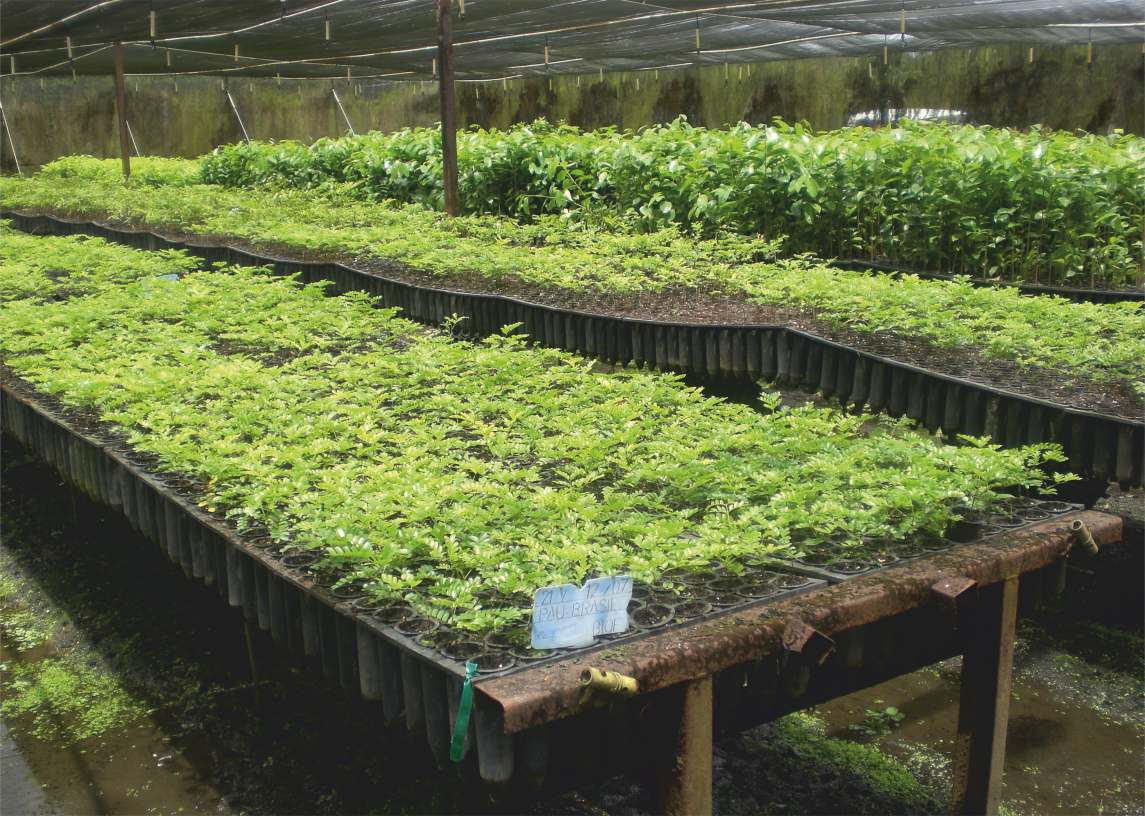
The Programa Pau-Brasil established a particularly comprehensive approach between 2004 and 2008. It combined inventories, scientific studies, seedling production, planting, local community involvement, and music education. At the time, producing and planting 500,000 pau-brasil trees was set as a long-term goal.
Nurseries, Farming, and New Approaches
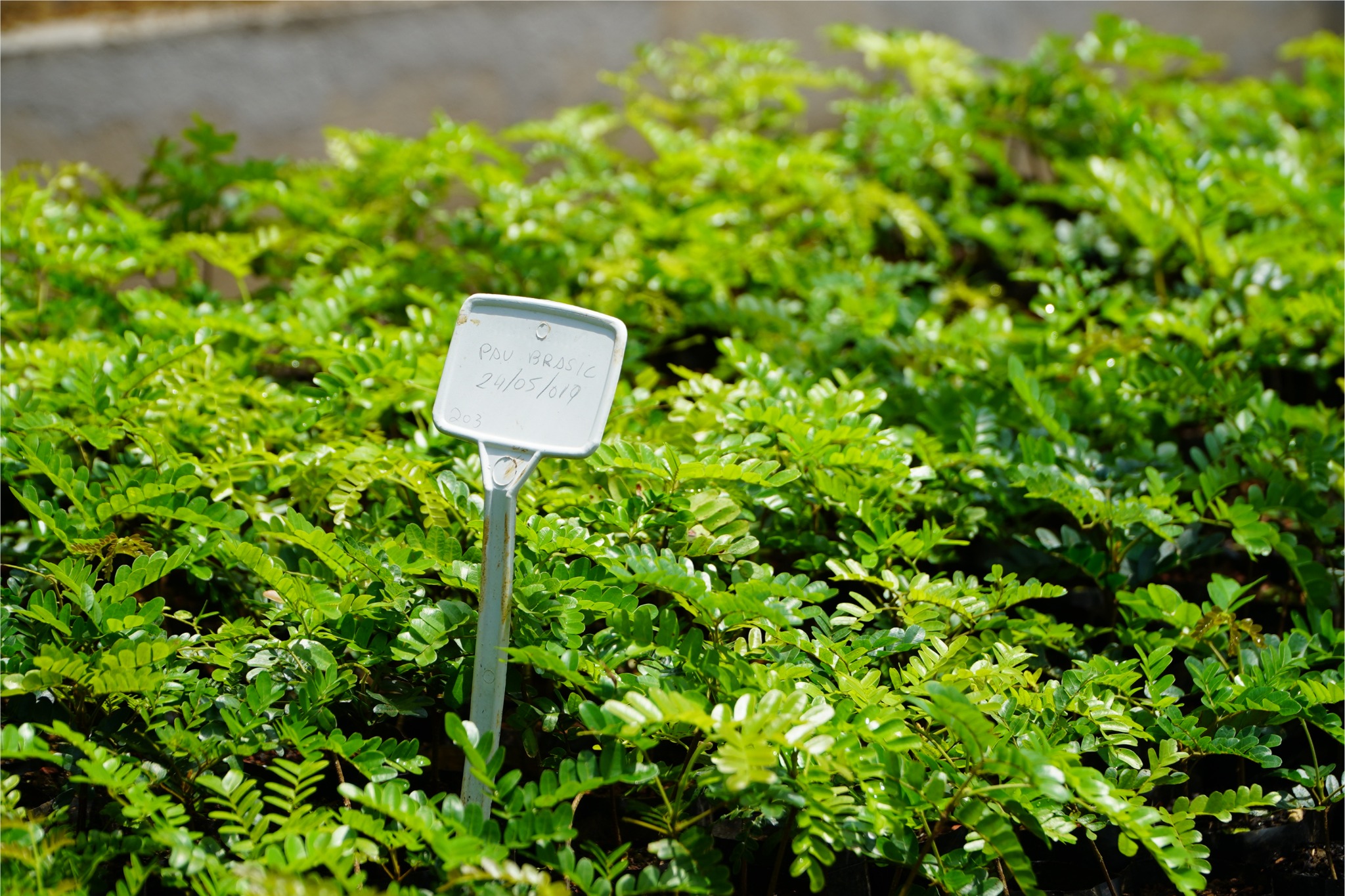
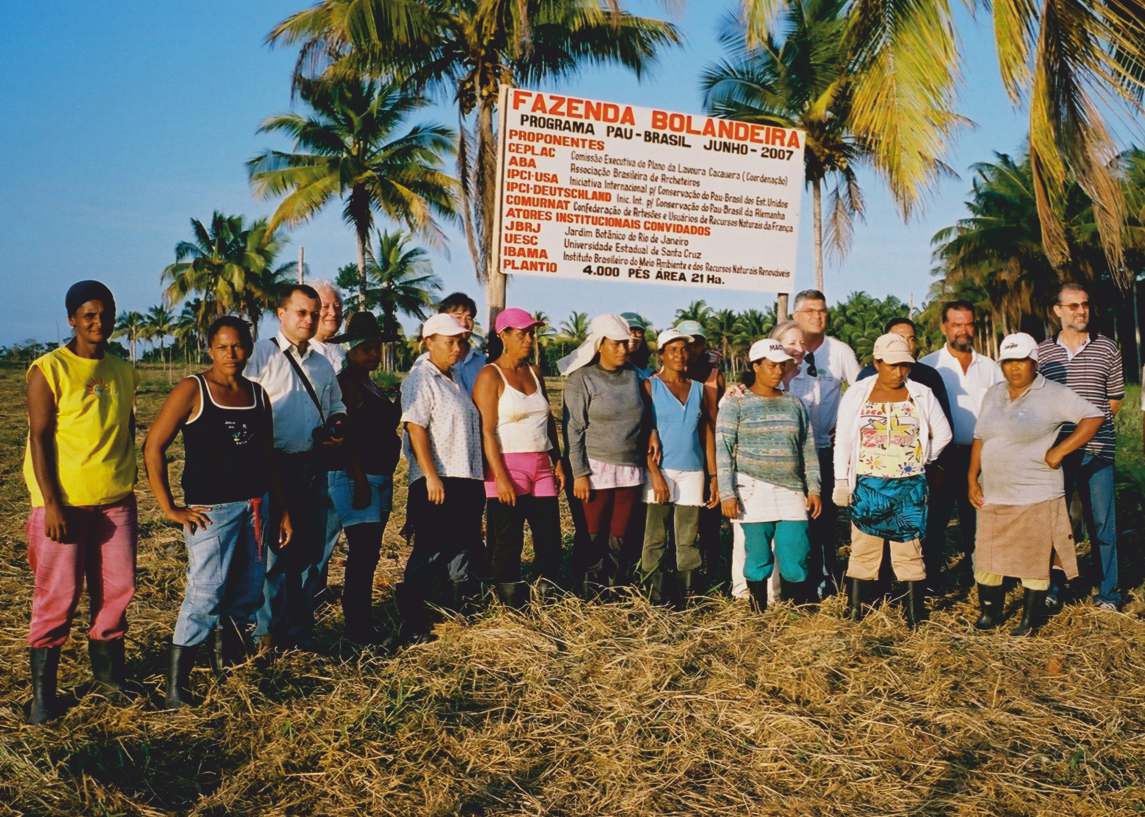
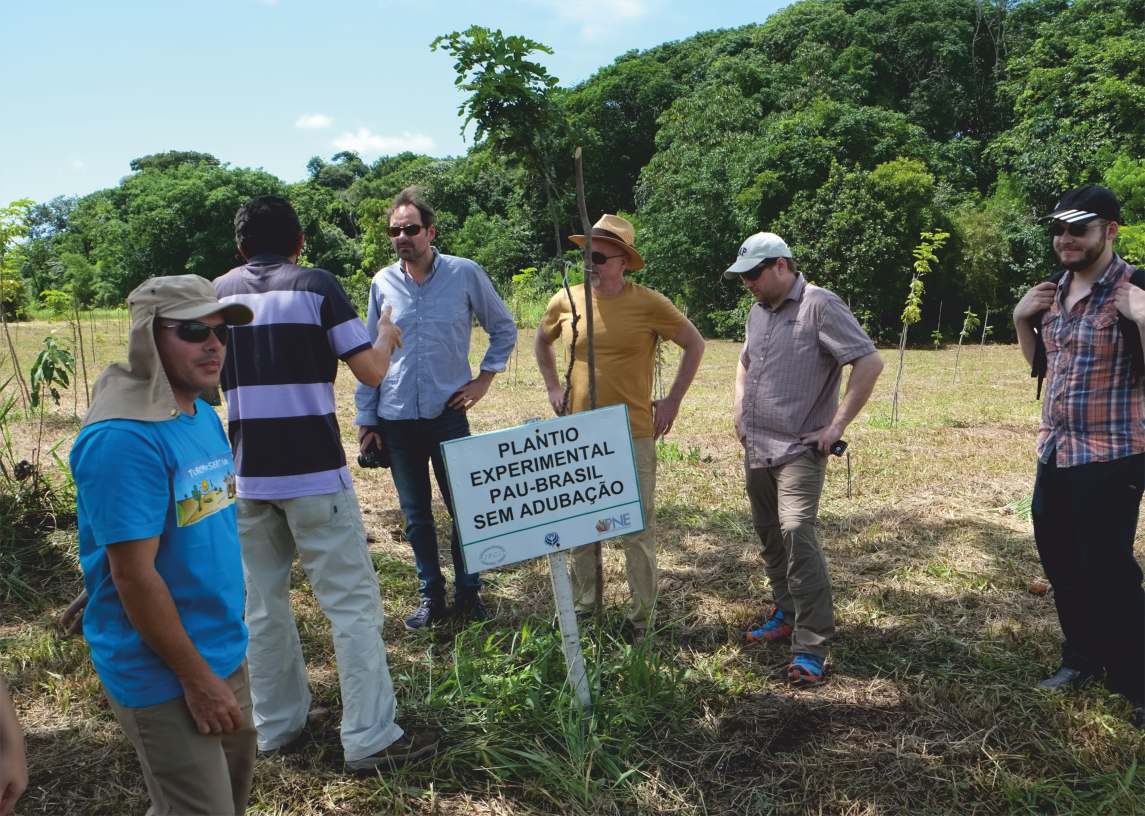
Reforestation was not treated as an isolated planting exercise. Nurseries raised young trees, farmers received technical advice, seedlings were registered, and different planting systems were tested. On Fazenda Bolandeira, for example, 4,000 seedlings were planted across 21 hectares. Projects like this were intended to demonstrate how conservation could be combined with economically viable land use.
In 2007, the Programa Pau-Brasil also received 16,000 young trees and around 15 kg of seed—approximately 52,500 seeds—through a donation from the company Horst John to CEPLAC. Both the scale of the projects and the scientific evidence base continued to grow.
Science Becomes the Foundation
IPCI’s projects soon developed from planting activities into a research program. The inventories conducted through the Programa Pau-Brasil led to studies of seeds and botanical material, soils, natural herbivores, and genetic diversity. The aim was not simply to plant as many trees as possible, but to understand which trees survive over the long term under which conditions, and which characteristics are essential for conservation and potential sustainable use.
From Planting to Long-Term Knowledge
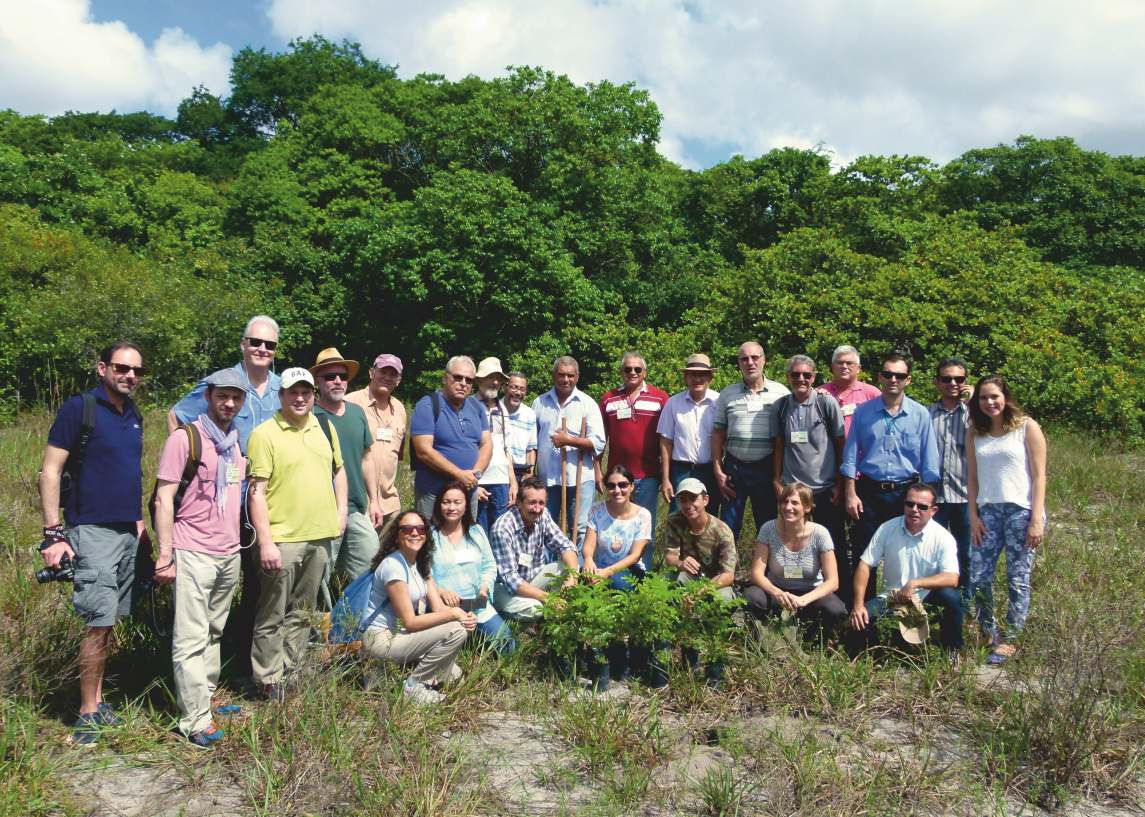
From 2013 onward, cooperation intensified with partners including Instituto Floresta Viva (IFV). In 2015, a program was developed with Associação Plantas do Nordeste (APNE) to study the growth and wood quality of pau-brasil in plantations across several states in northeastern Brazil. The work was accompanied by regular independent assessments.
The 25-year review records 18 completed scientific projects and five sets of maps. Activities took place in 69 municipalities in Bahia and 14 municipalities in other states. More important than any individual figure is the development behind it: individual planting projects grew into a reliable knowledge base for conservation, forestry, and prospects for long-term use.
2019 – Making Conservation Visible
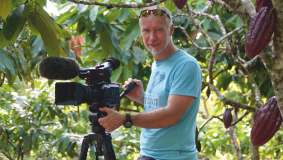
After two decades of project work, communicating with musicians and the wider public became increasingly important. In 2019, Austrian filmmaker Peppo Wagner accompanied IPCI members in Brazil. This resulted in the 52-minute documentary Vollendeter Klang – Das Holz der Bogenmacher.
The film connects reforestation, science, and bow making with the voices of musicians. It brought a central IPCI idea to a wider audience: protecting pau-brasil concerns more than a tree species or a craft. It concerns the relationship between nature, cultural tradition, and music.
Since 2007 – Conservation Meets International Wildlife Trade Law
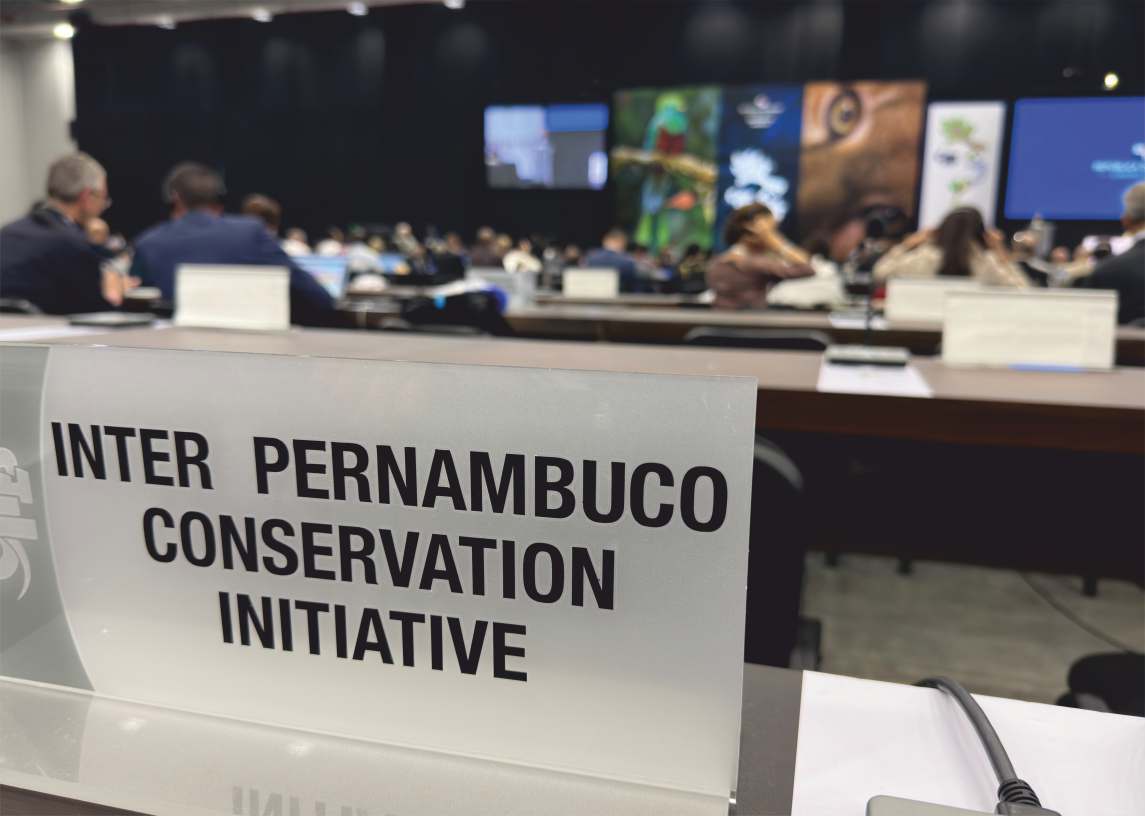
The listing of pau-brasil in CITES Appendix II in 2007 added a second major area of work. IPCI began actively participating in CITES meetings and working groups, seeking to combine species conservation with clear, understandable rules for the craft and the international use of bows.
Following CoP19 in 2022, part of the work increasingly focused on documentation of origin and traceability. Approaches developed in this context include the Know Your Bowcampaign, support for stock registrations, the development of a marking system for newly made bows, and a standardized document declaring the materials used.
This work broadens the original conservation mission: responsibility extends beyond the tree in the forest to the legal and transparent passage of the material through to the finished bow.
2022–2023 – A Broader International Network
A partnership with the International Alliance of Violin & Bow Makers for Endangered Species began in 2022. It strengthened international outreach through fundraising campaigns, newsletters, talks, presentations, and information for musicians, schools, and workshops.
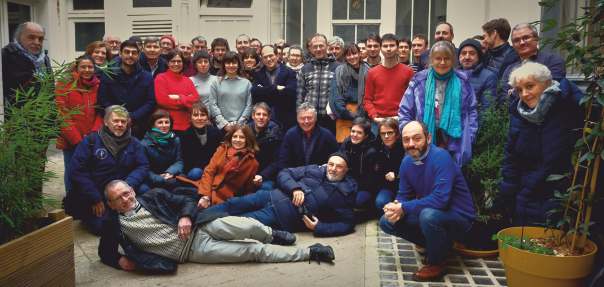
At the same time, IPCI’s European branch reorganized: after CoP19, IPCI COMURNAT became IPCI France Europe, opening the organization more broadly to members from across Europe. In 2023, members of the new European organization met in Paris, at the same location where IPCI’s history had begun in 2000.
25 Years of IPCI – Taking Stock
The review published in 2024 records a total of up to 340,800 seedlings in IPCI’s planting projects. Of these, up to 230,800 were planted with future sustainable use in mind, and up to 110,000 in nature reserves and public and cultural spaces. Behind these figures lie 25 years of cooperation with Brazilian institutions, farmers, scientists, government agencies, and nongovernmental organizations.
The structural changes are just as important. IPCI began as an initiative by a small craft community. Today, its work connects reforestation, basic research, forestry, education, international policy, and documentation of the legal origin of materials. Conservation and the preservation of a traditional craft are treated as a shared responsibility.
The Next Stage
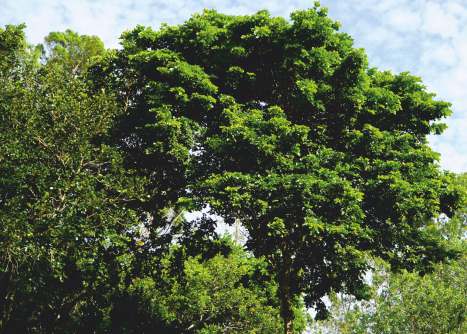
The 25th-anniversary publication therefore describes the future as the next phase rather than an endpoint. Cooperation with Brazilian partners is to continue, funding for science and replanting is to be maintained, and a legal framework is to be encouraged that enables the sustainable use of plantation-grown pau-brasil.
Above all, the experience of the first 25 years shows that long-term species conservation cannot be achieved through a single measure. It requires reliable partnerships, scientific oversight, public acceptance, and a willingness to keep adapting strategies to new findings.