IPCI and Responsibility
The International Pernambuco Conservation Initiative (IPCI) brings together musicians, bow makers, scientists, and conservation specialists. Together, they work to protect the pernambuco tree while developing ways to use its wood responsibly.
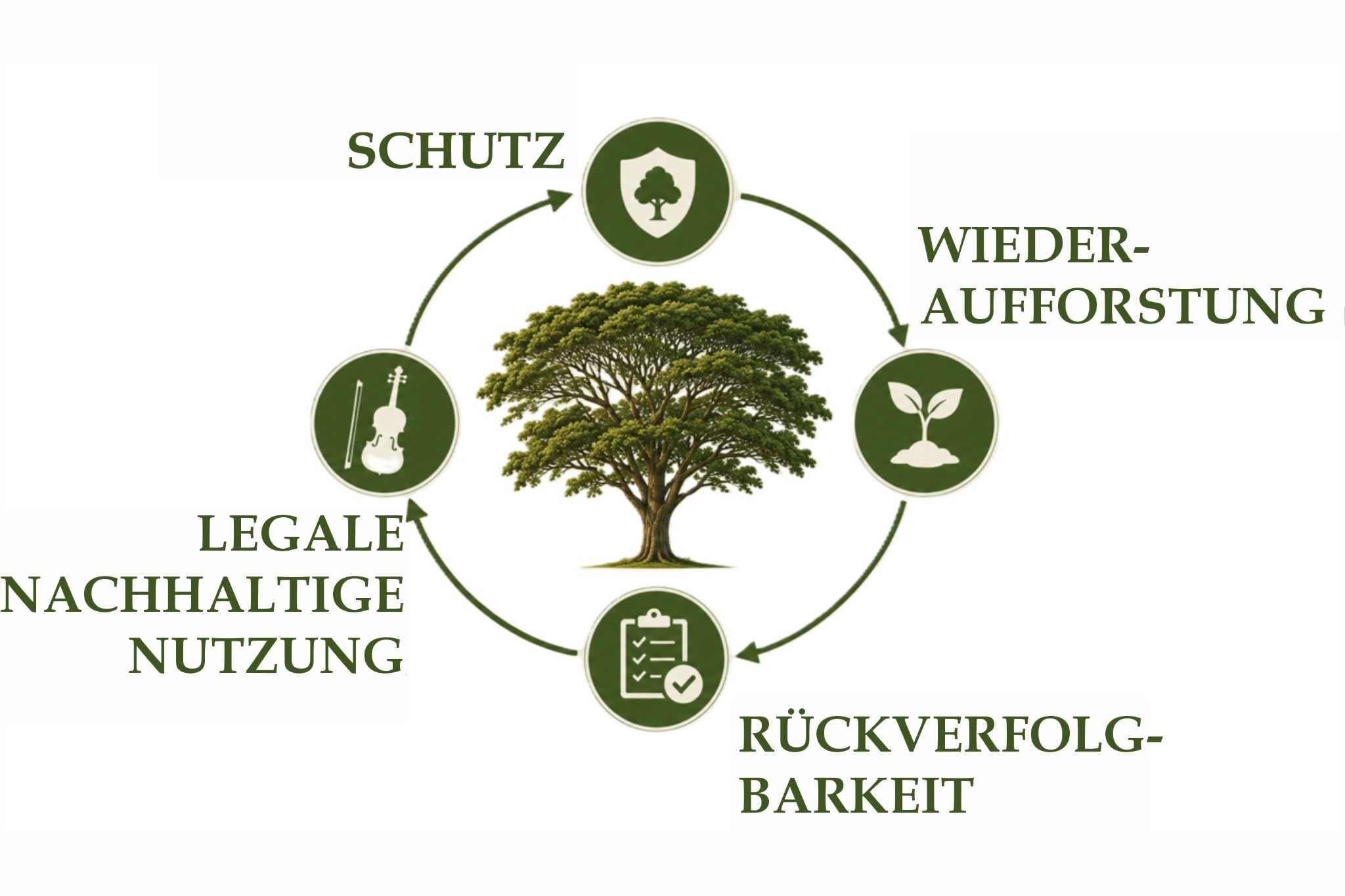
A trade ban alone will not save the trees. Effective forestry laws, documented origins, reforestation, and people who use the wood responsibly while protecting nature must work together.
What connects us is more than wood—it is responsibility.
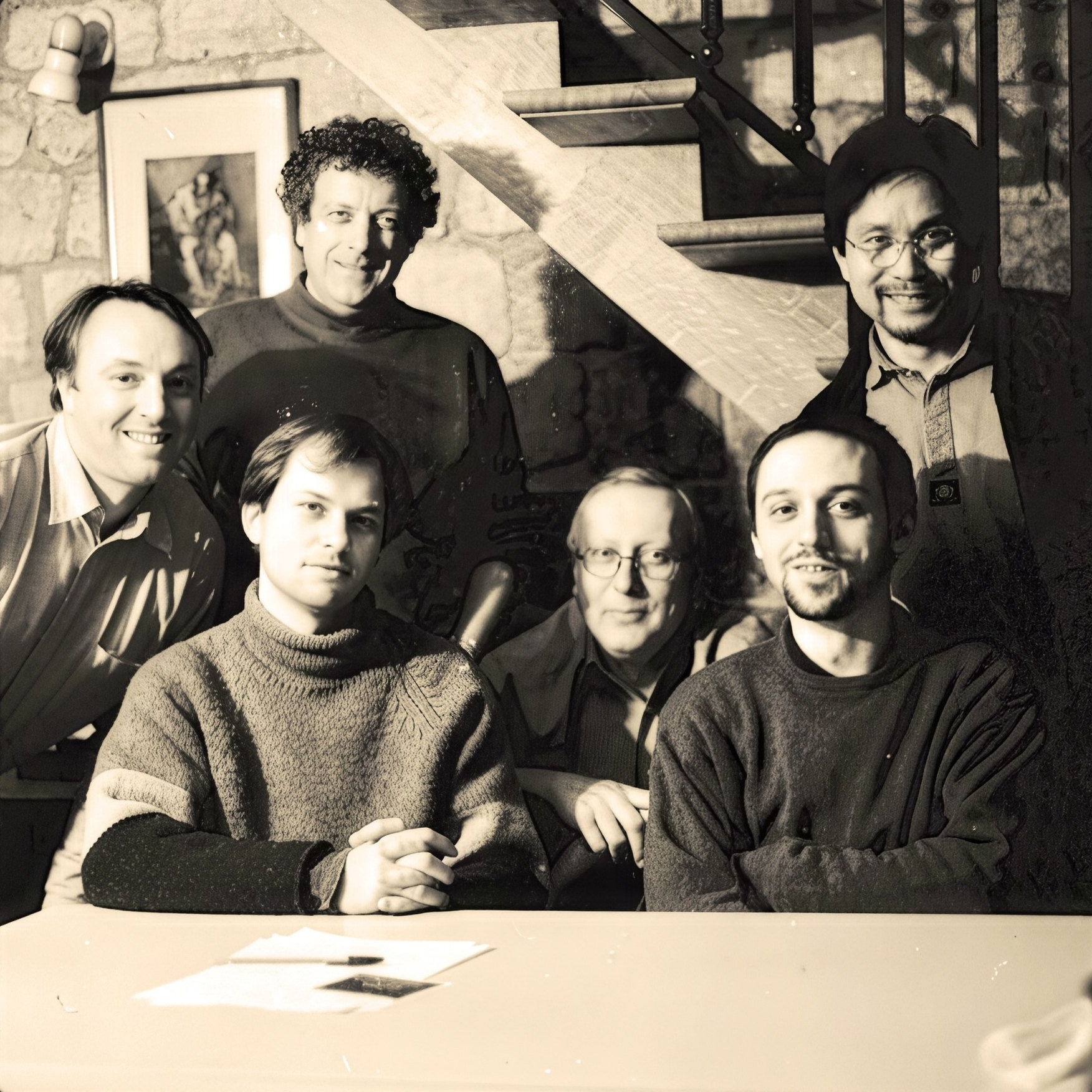
More than 25 years ago, a group of committed people recognized that the pernambuco tree was in danger. In May 2000, bow makers founded the International Pernambuco Conservation Initiative. What began as a small group has become a worldwide project. Today, IPCI has more than 400 members in 18 countries.
Its work ranges from planting projects and scientific research to cooperation with local communities and government agencies. The presentation describes projects in four Brazilian states, 18 completed research projects, and activities in 69 municipalities in Bahia and 14 municipalities in other states.
Reforestation: Seedlings Become Forests
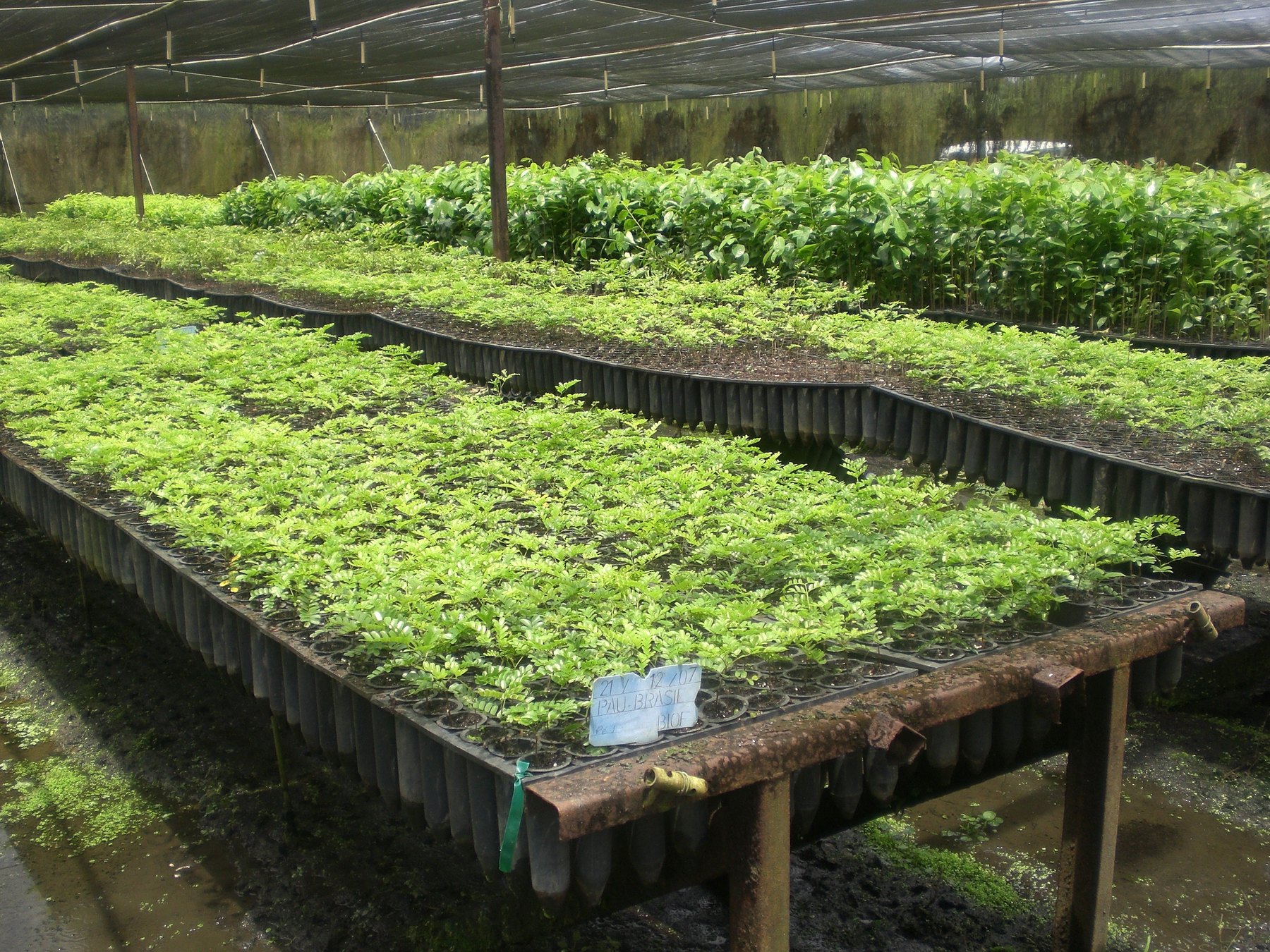
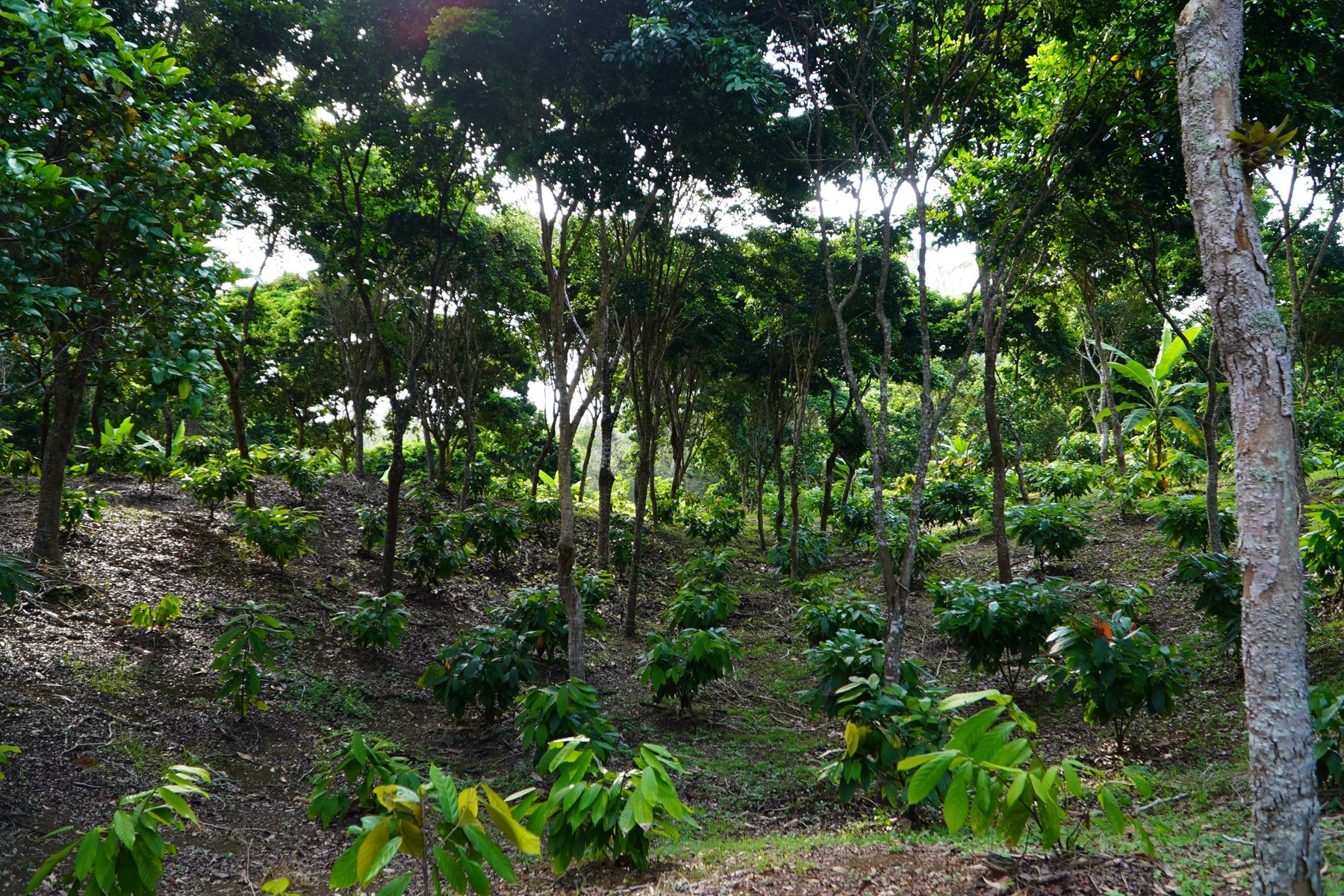
According to the figures used in the presentation, approximately 340,000 of the roughly three million pernambuco trees planted to date were planted with IPCI’s support. Many grow on private land through cooperation with landowners and local communities.
Before-and-after photographs show how the plantings develop. IPCI began distributing seedlings in 2004. A project in the Brazilian state of Pernambuco started in 2006; a photograph from 2024 documents its progress. On a farm near Ilhéus, trees planted in 2019 had already reached a substantial size just five years later.
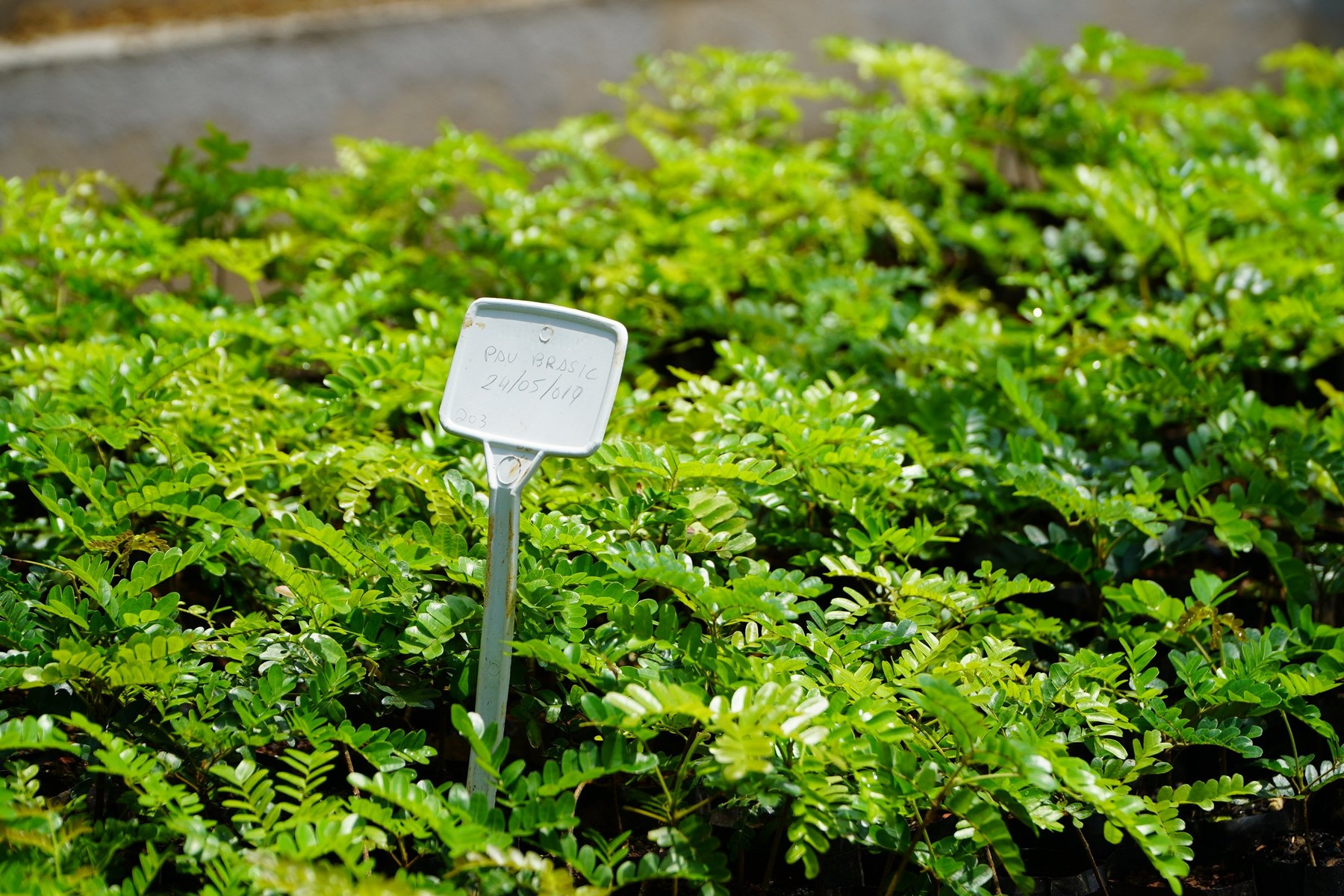
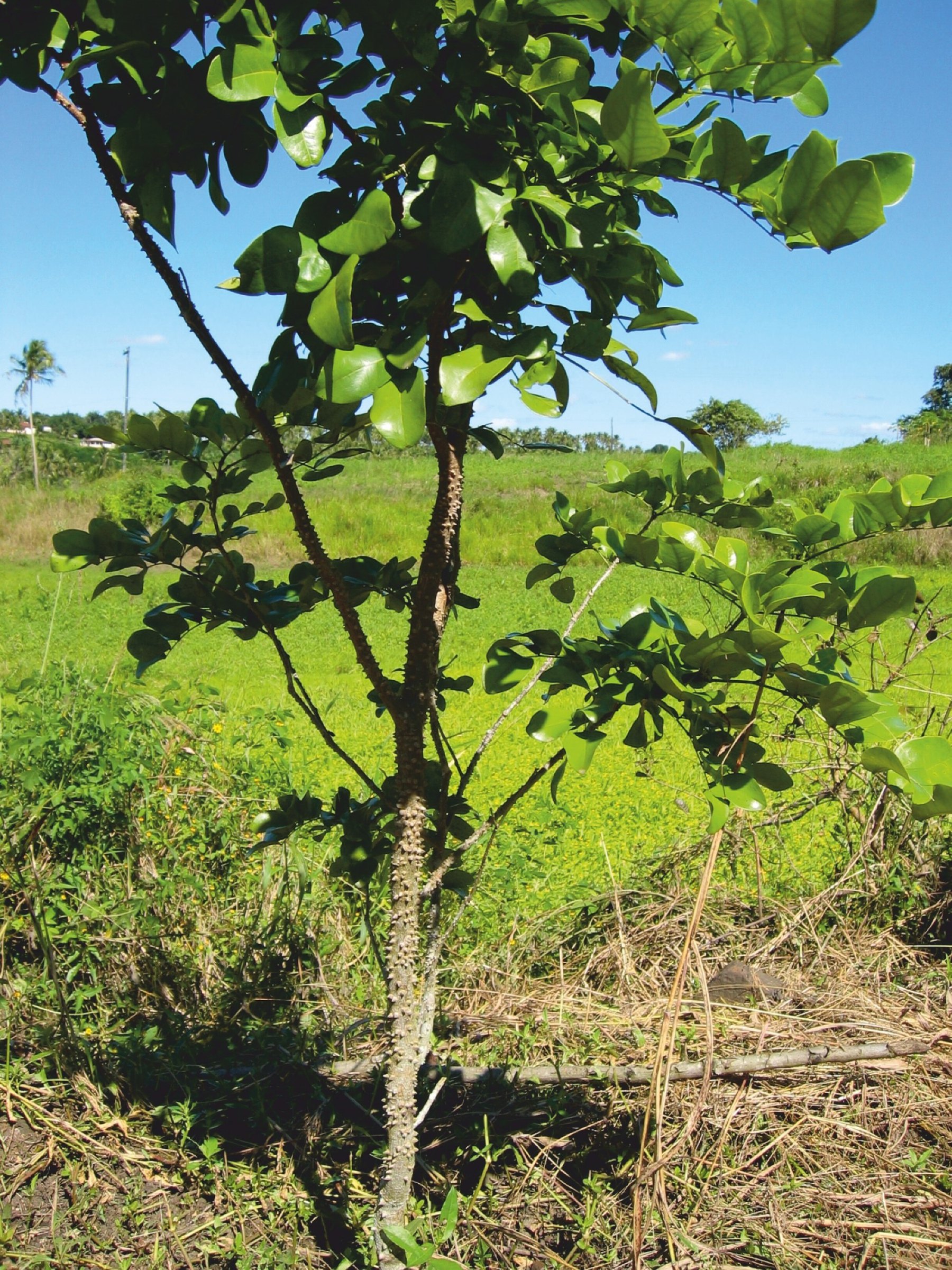
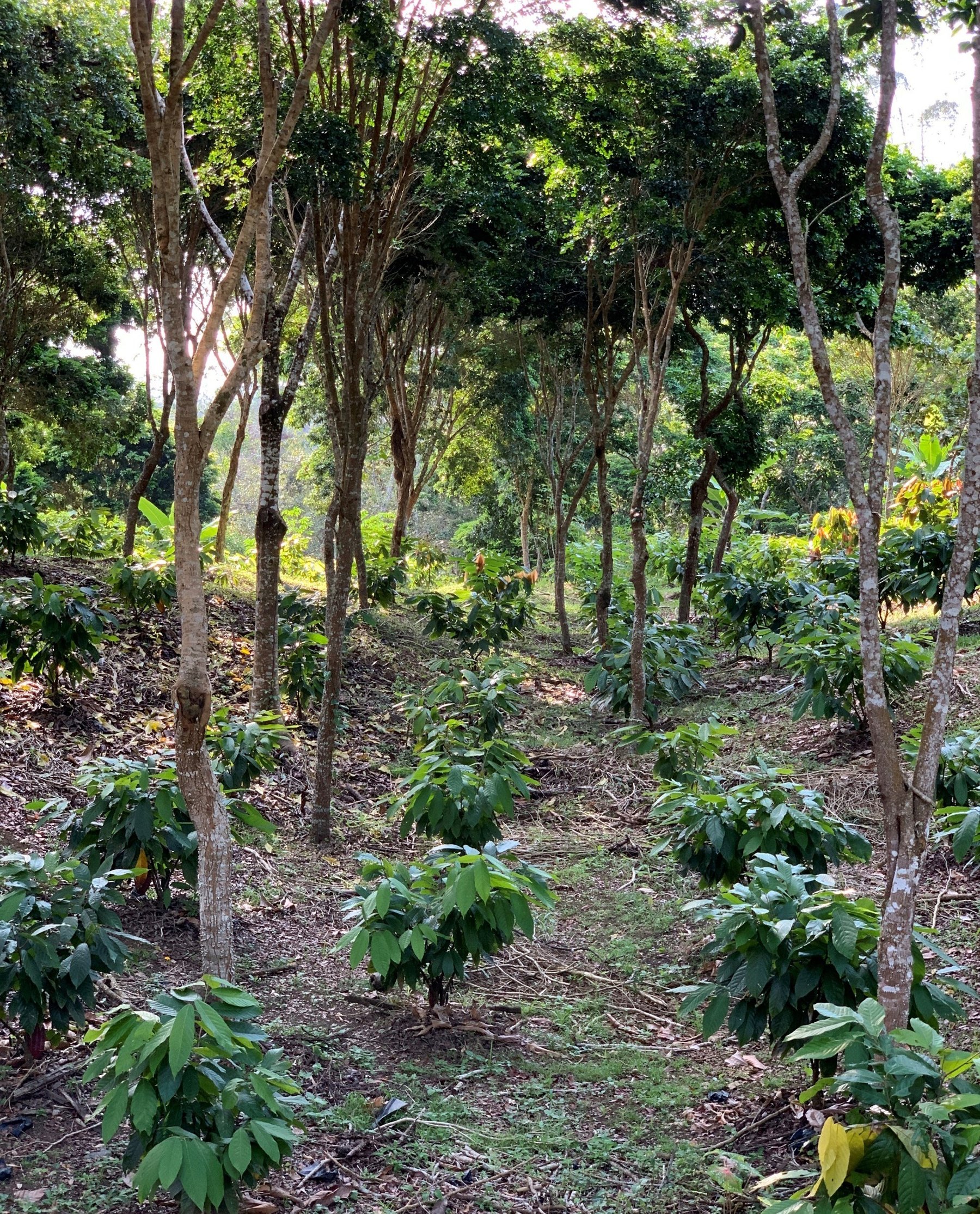
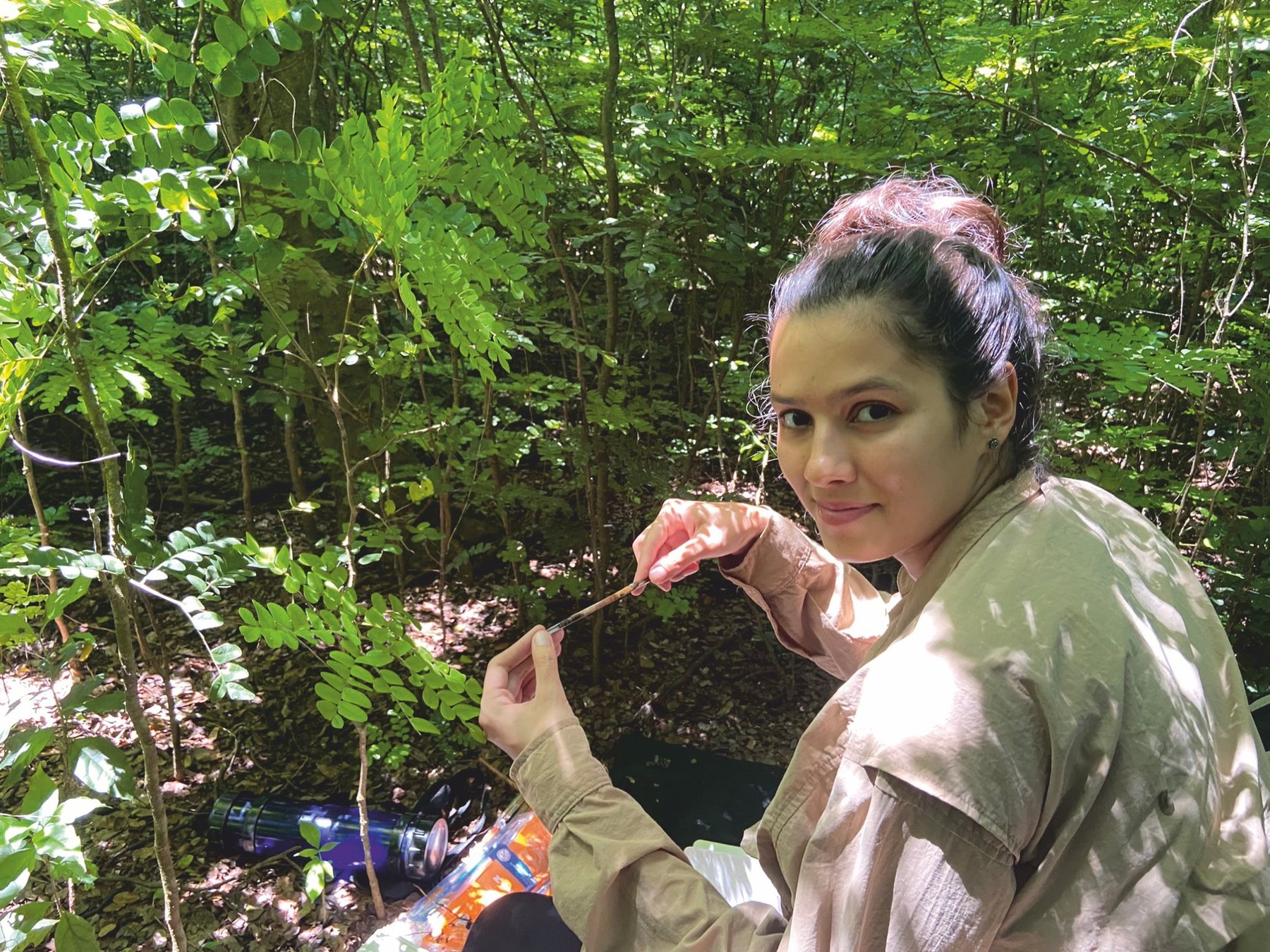
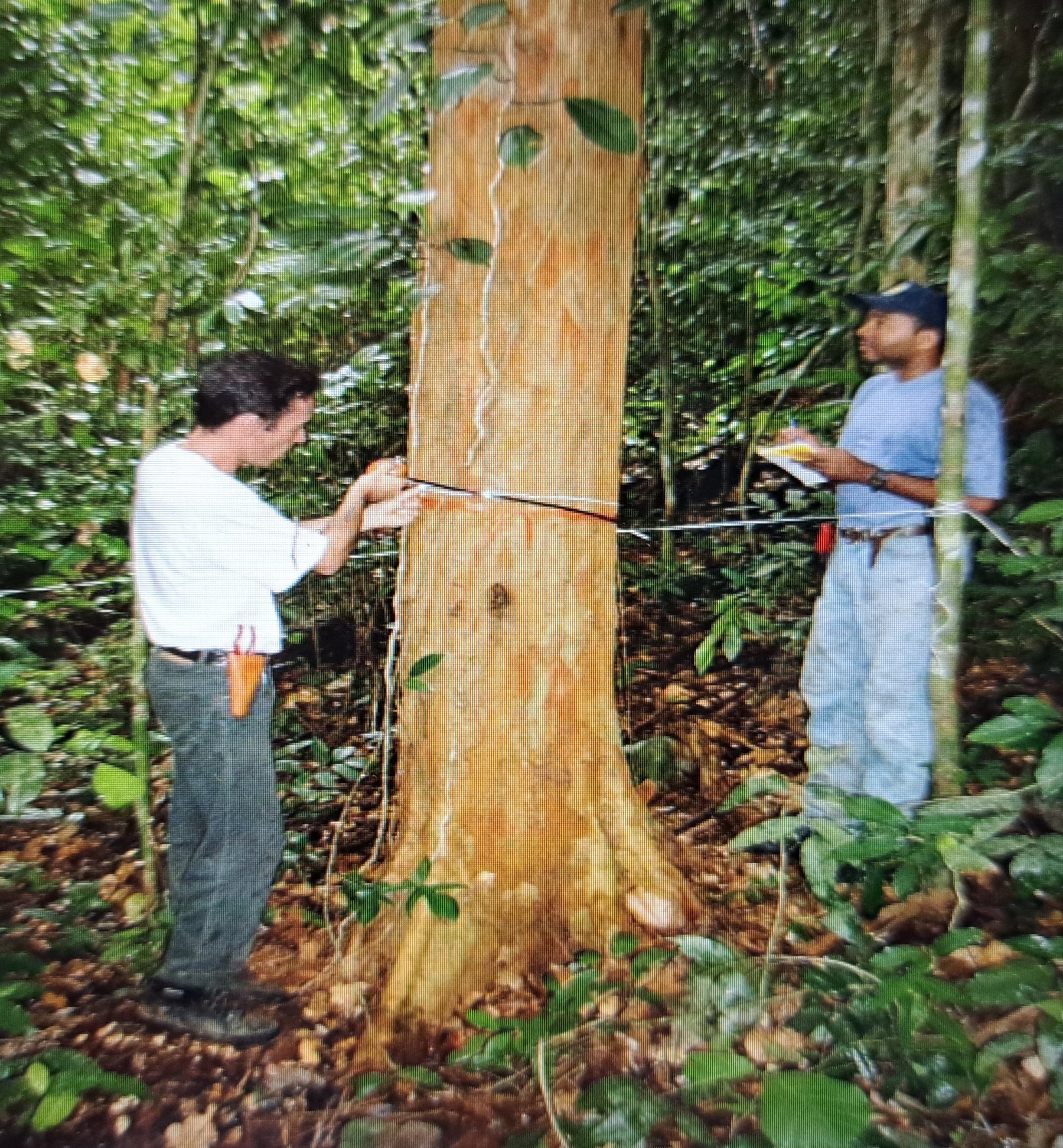
Planting new trees is only part of the task. Scientific monitoring, the selection of suitable sites, and long-term care of the stands are equally important. Combining reforestation and research provides a basis for treating conservation and future sustainable use as compatible goals.
Music, History, and Pernambuco

Music connects people across borders and generations. For string players, the bow is much more than an accessory: its material, elasticity, balance, and response determine the tonal and technical possibilities available to them.
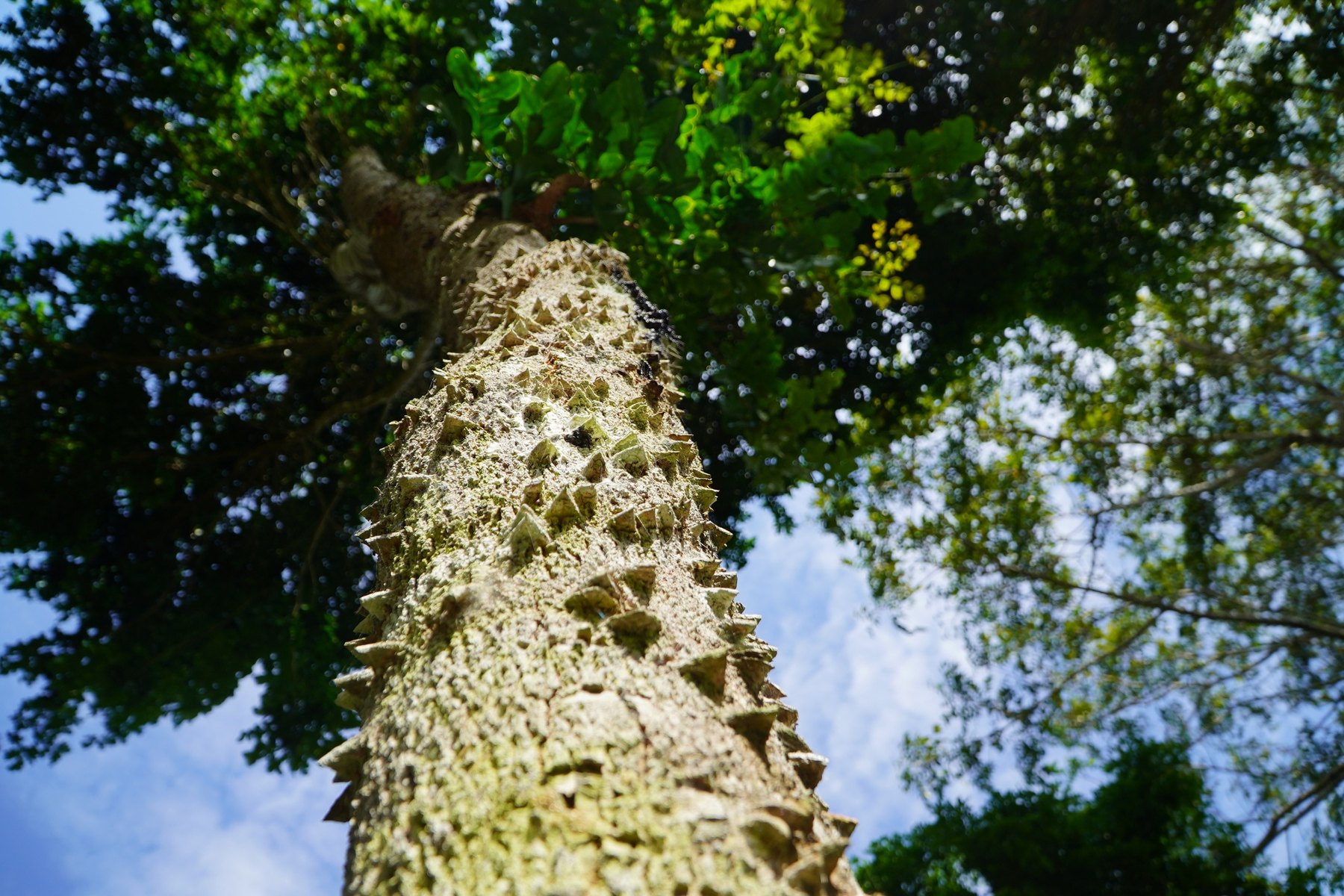
Pernambuco—known as pau-brasil in Brazil—grows only in a limited part of Brazil. Its name refers to the wood’s intense red color. It was shipped to Europe from the 16th century onward, initially mainly for use as a dye.

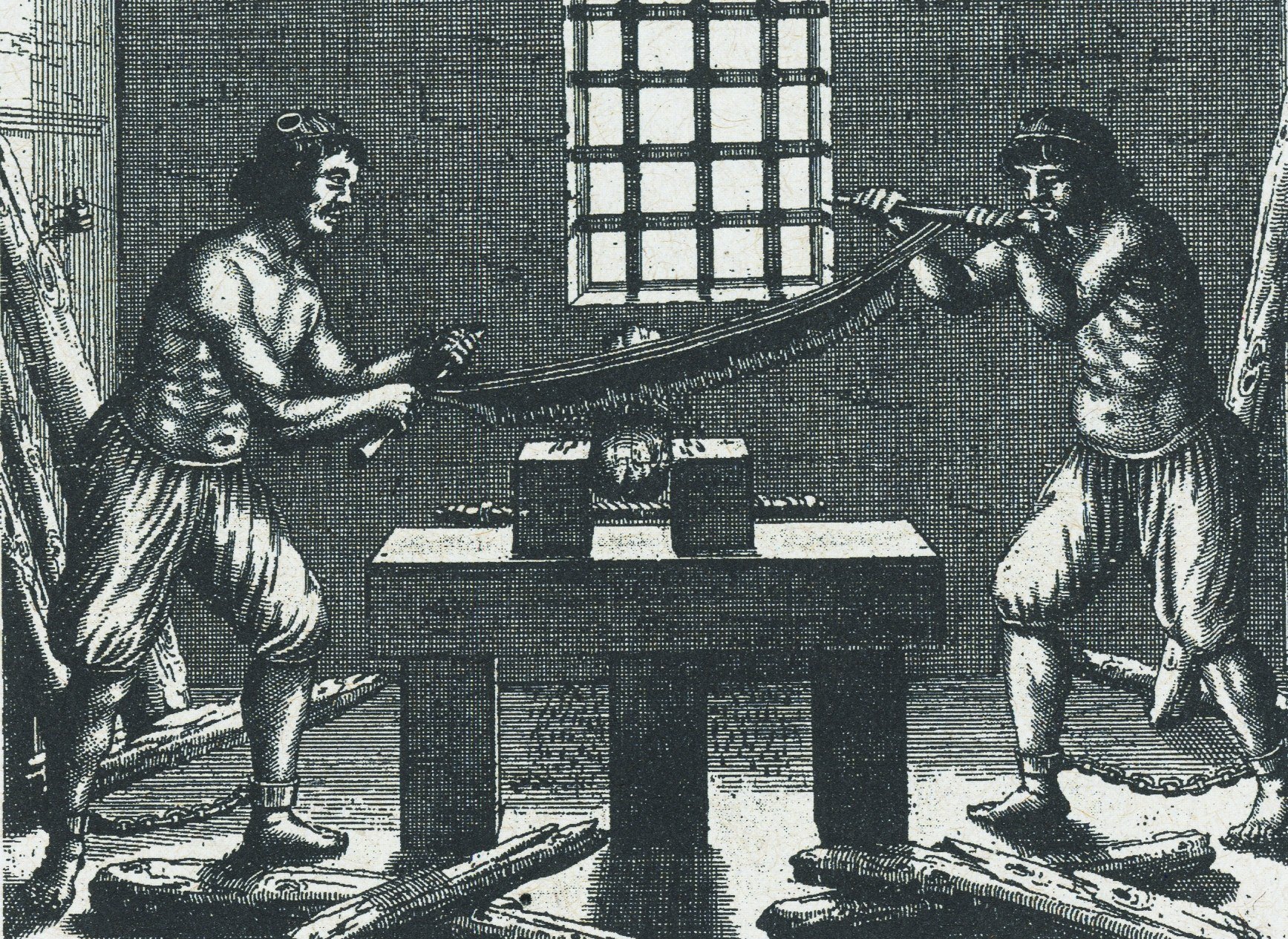

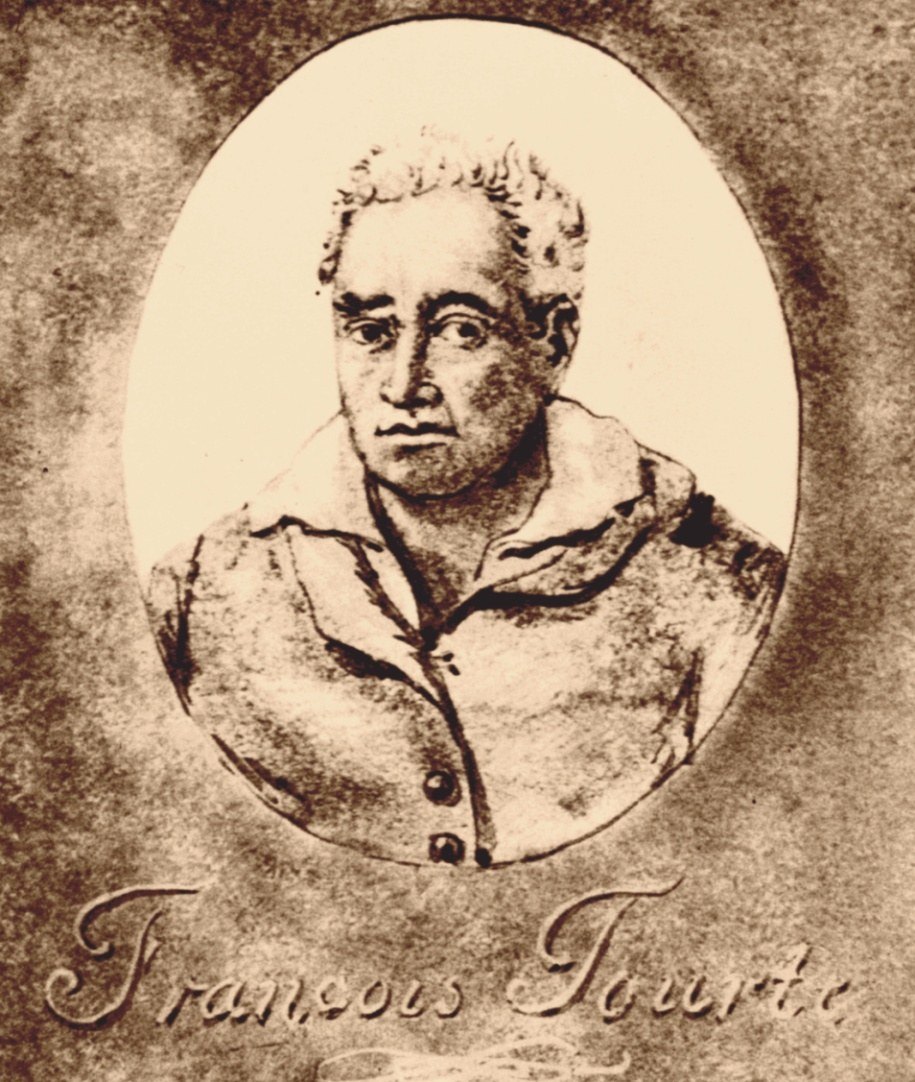
Large quantities of this wood were stored in French ports. Around 1800, François Xavier Tourte began using pernambuco systematically in bow making. Tourte and his family played a decisive role in shaping the modern bow.
Its distinctive combination of strength, elasticity, dimensional stability, and tonal suitability made pernambuco the central material of modern bow making. For more than 200 years, it has been an essential material for musical expression.
Threats to the Atlantic Forest
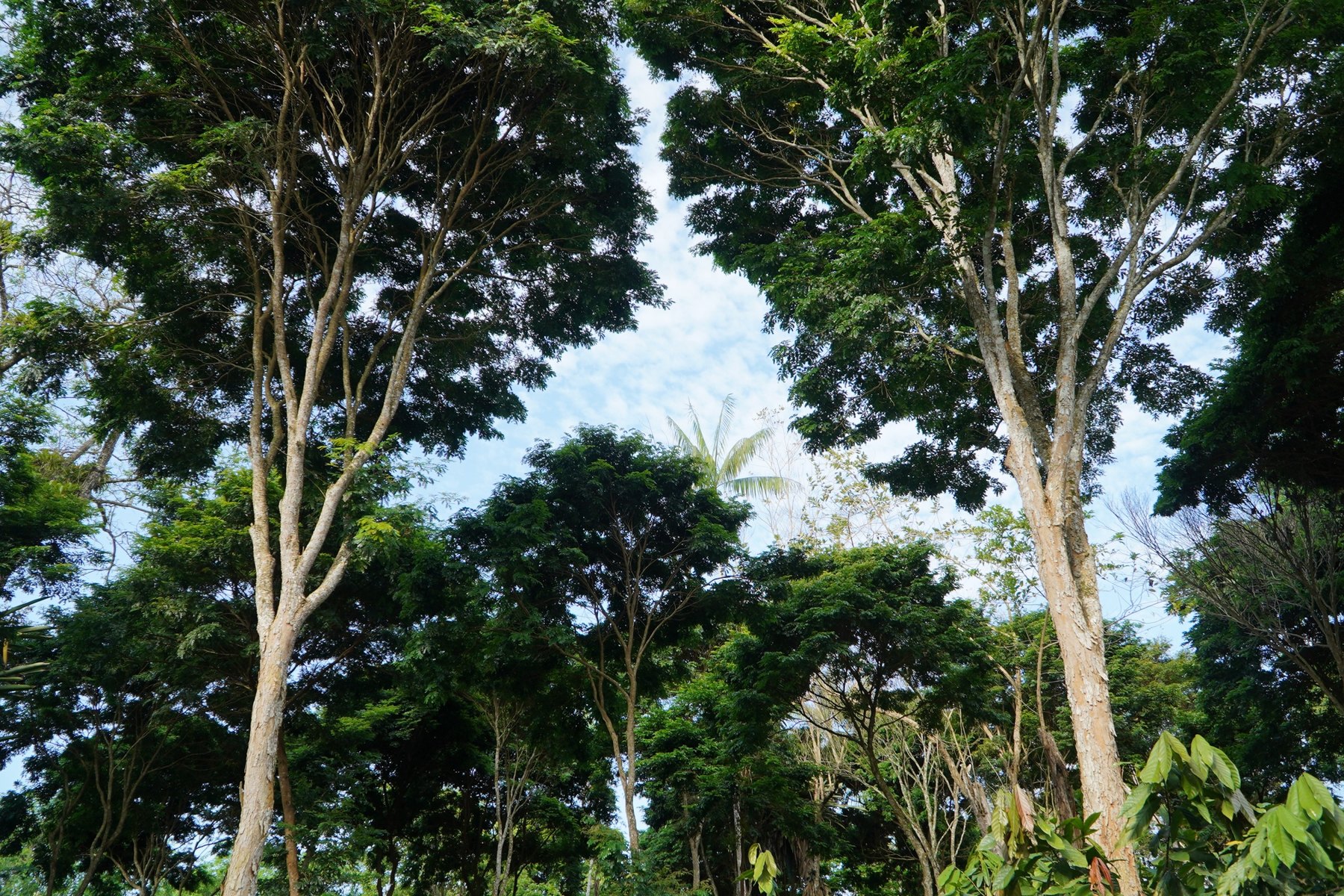
Pernambuco grows exclusively in Brazil’s Atlantic Forest, the Mata Atlântica. This forest is exceptionally rich in species but has also been severely damaged. The presentation notes that less than nine percent of the original forest area remains.
The pernambuco tree has consequently lost much of its habitat. Trees are weakened, overexploited, or illegally felled. International trade in pernambuco was therefore brought under CITES regulation in 2007, and the species has been listed in Appendix II ever since.
“Planting Water”
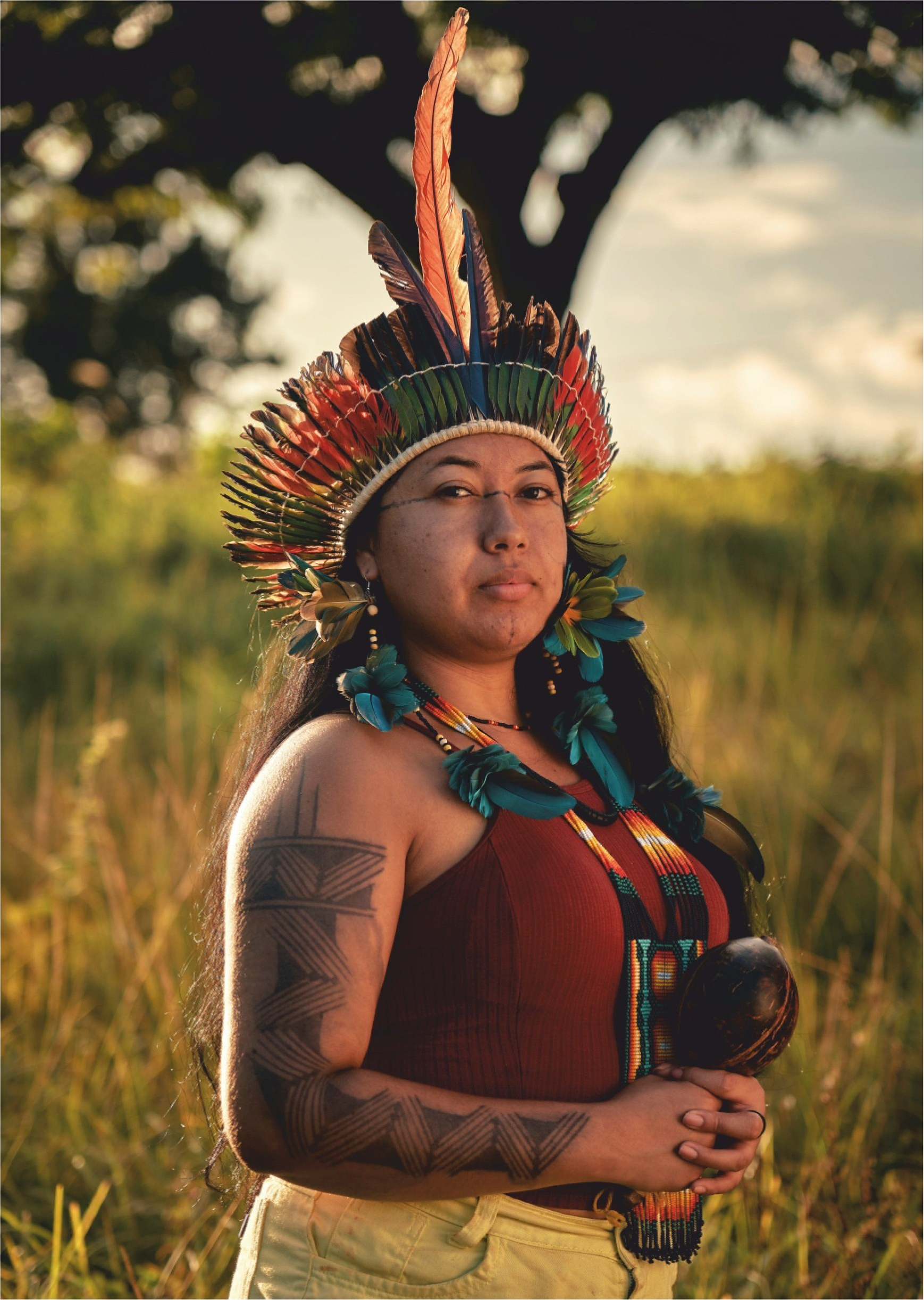
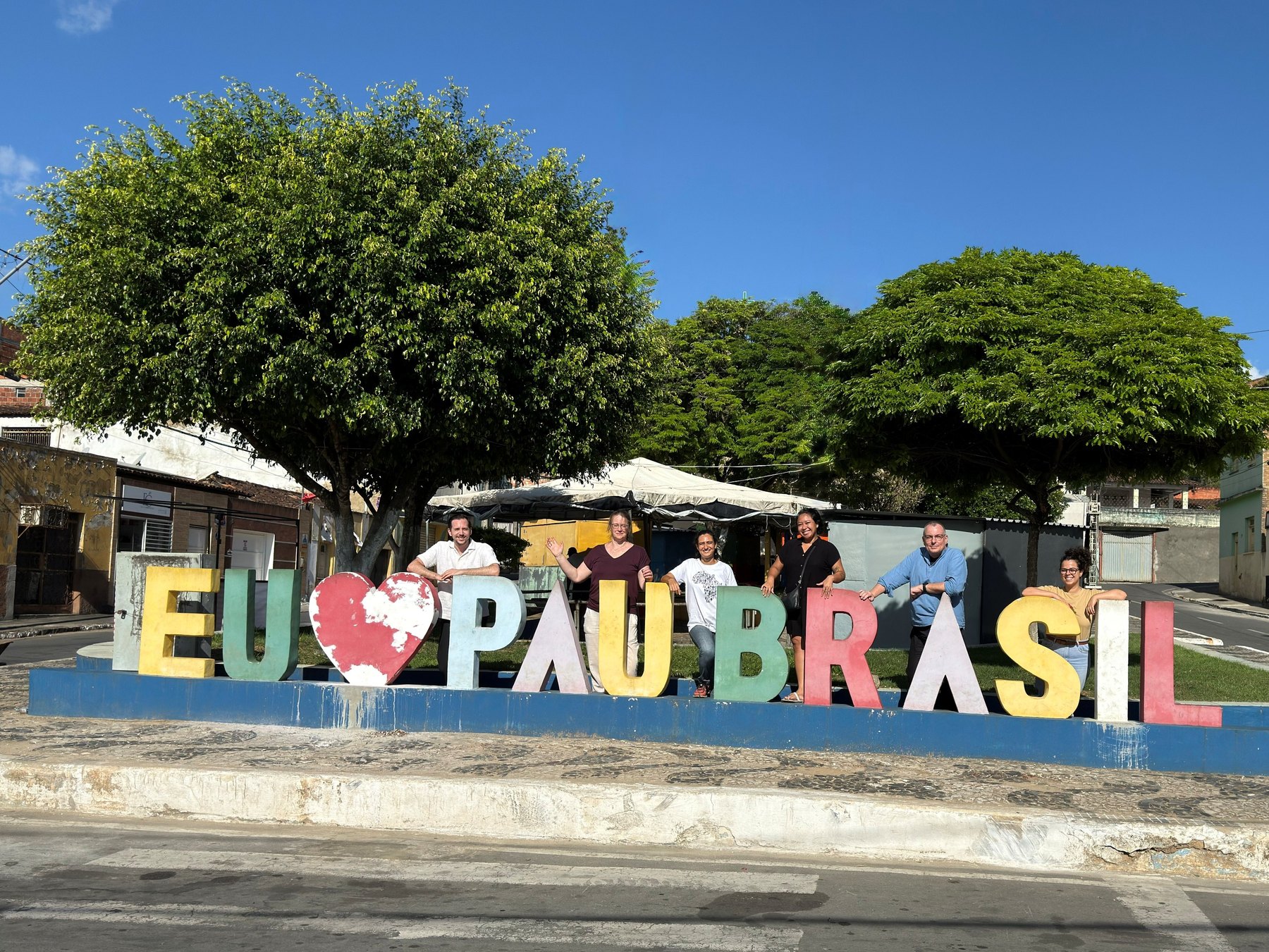
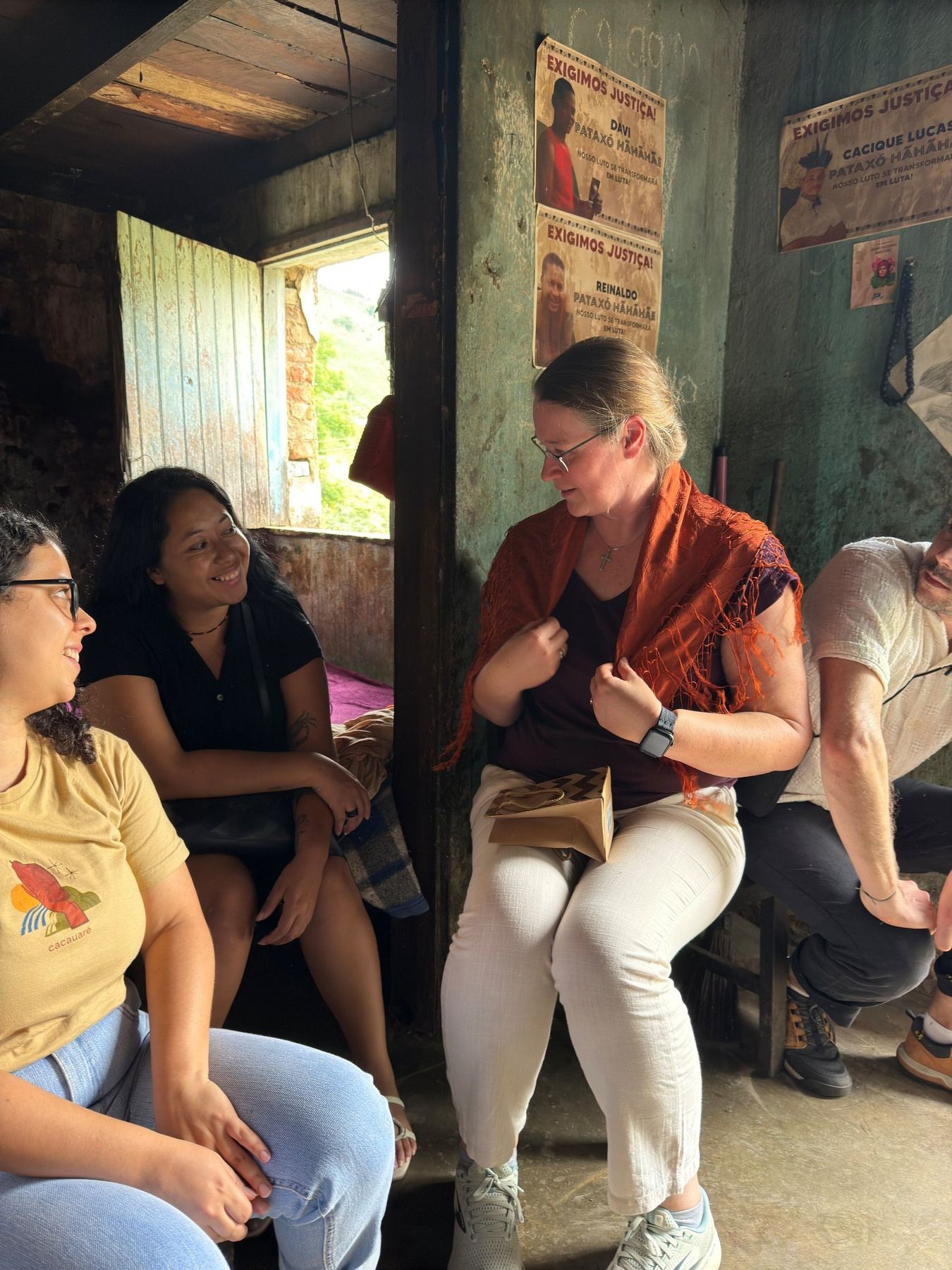
The Indigenous Pataxó Hã-Hã-Hãe community lives near the town of Pau Brasil. Their land was occupied and exploited for many years. Following violent conflicts, it was returned to Indigenous families in the 1990s, in some cases severely damaged.
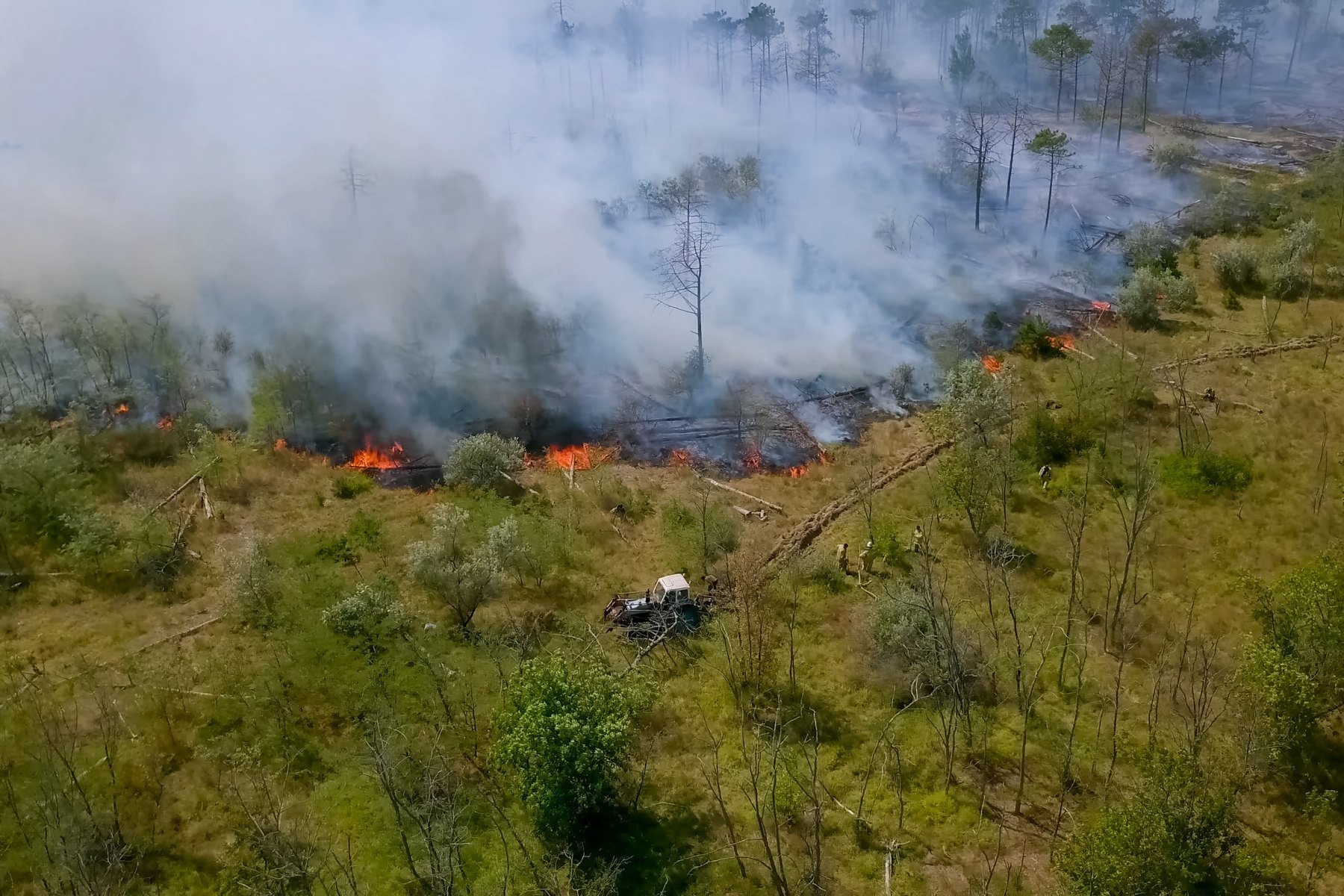
Fields and forests had been burned, soils damaged, and water sources destroyed. The river that once sustained life is now little more than a trickle in places and sometimes dries up completely.
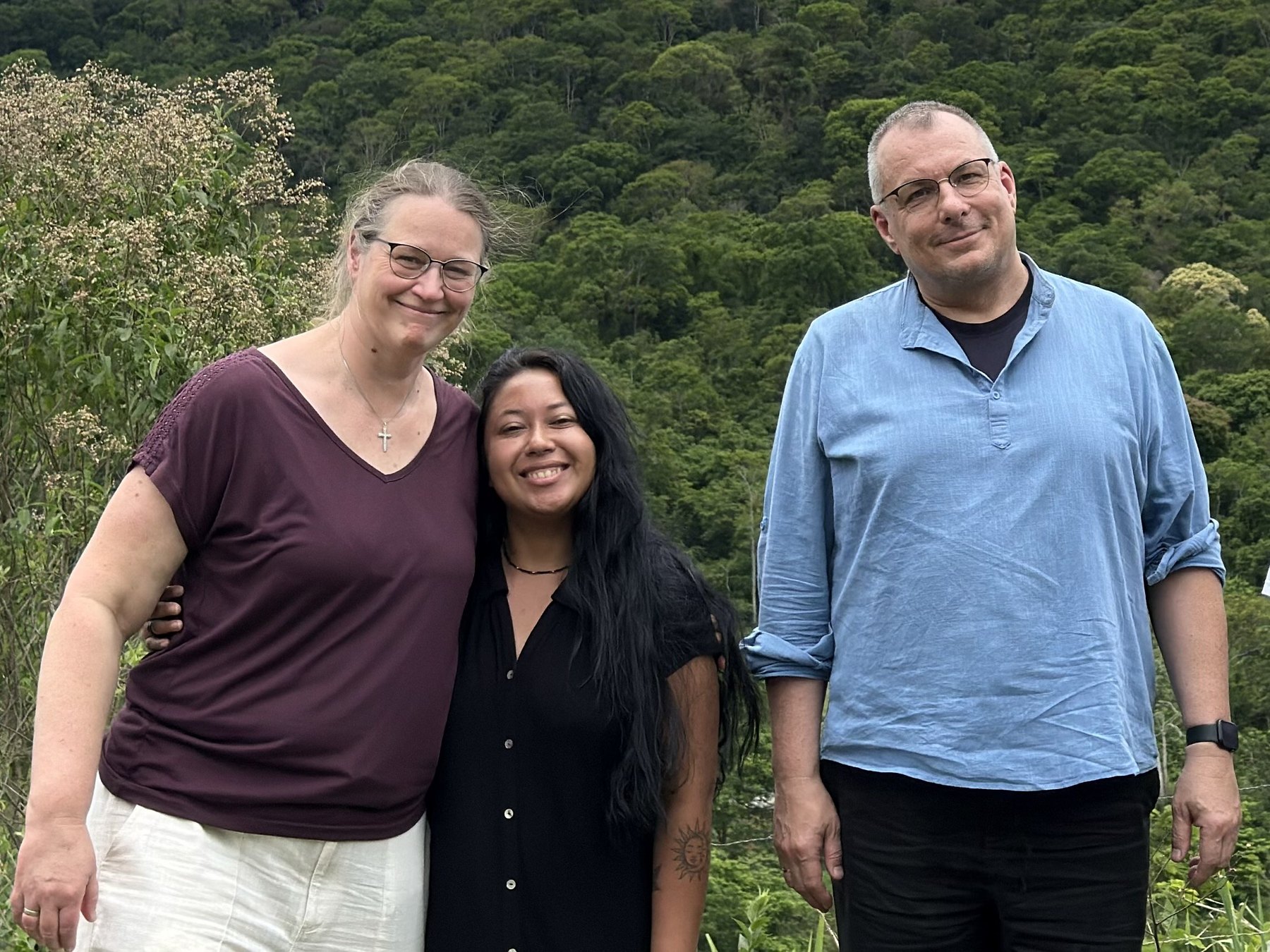
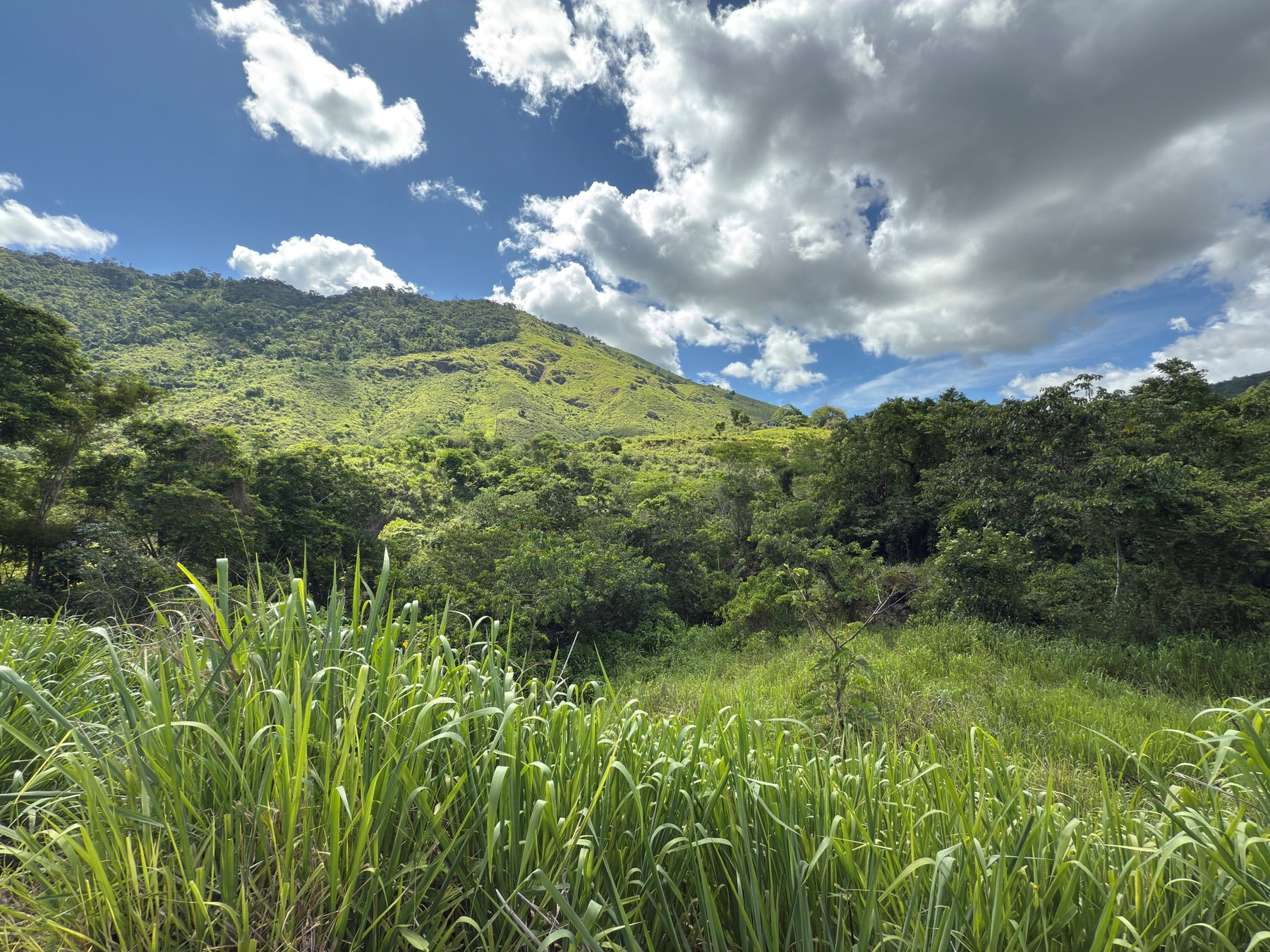
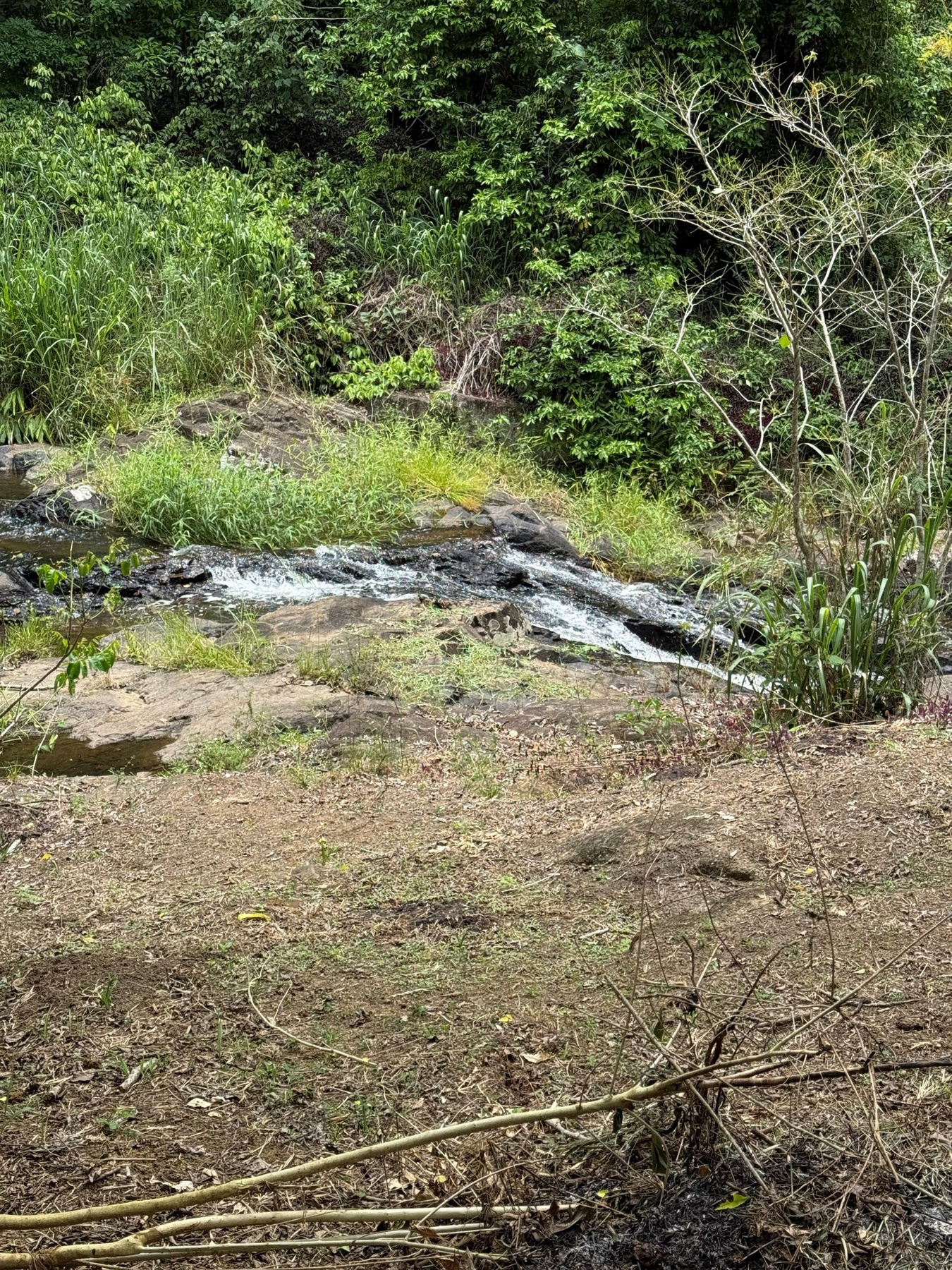
This is where the “Planting Water” project begins. Together with IPCI, the local community, and Instituto Floresta Viva, a tree nursery is to be established. Young trees will be planted on damaged land to stabilize the soil, retain rainfall, provide shade and habitat, and bring water back into the landscape.
The presentation explicitly describes this work as a healing process for both the land and its people. With each new tree comes renewed hope that life can return even to damaged soil.
Material Demand and Responsible Use
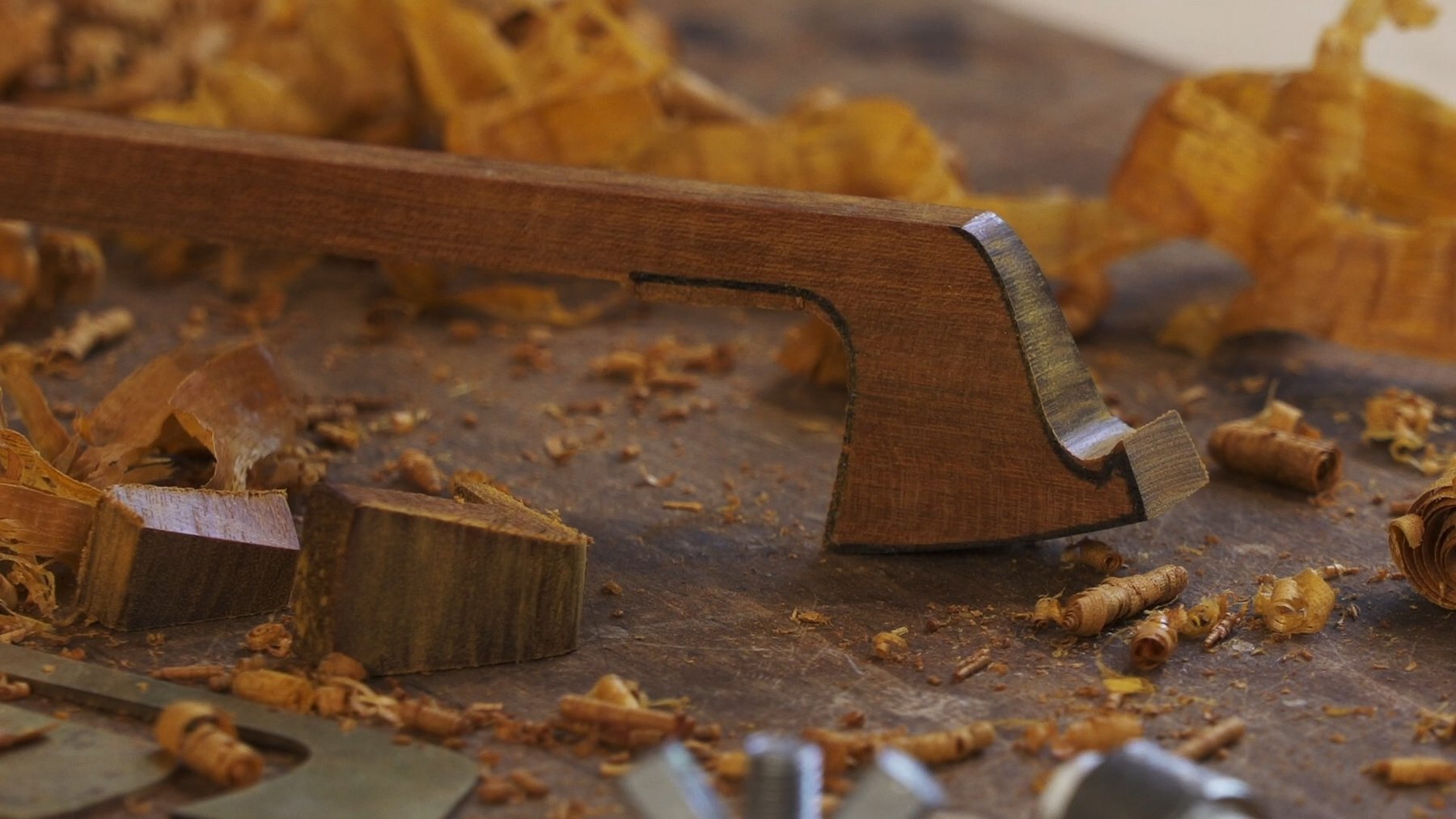
According to the figures used in the presentation, approximately 25,000 pernambuco bows are made worldwide each year. Many workshops still use old, legal stocks, some of which are registered. In the long term, however, new, legally sourced material will be needed.
The model calculation presented estimates a theoretical worldwide demand for approximately 20 to 30 cubic meters of pernambuco per year for bow making, with a reference value of around 25 cubic meters.
According to this model, an estimated 6.6 million pernambuco bows have been made since around 1800, with an uncertainty range of ±30%. This corresponds to roughly 9,000 to 17,000 suitable trees; even a worst-case estimate puts the maximum at 50,000 trees. The presentation compares this scale with the total historical loss of pernambuco trees in the Atlantic Forest.
These figures are not intended to downplay historical consumption. Every tree used carries a responsibility. They do, however, help put the scale into perspective and frame the essential question: can the limited quantity actually needed for high-quality bow making come from legal, sustainably managed stocks in the future?
Wood Quality, Not Tree Age Alone
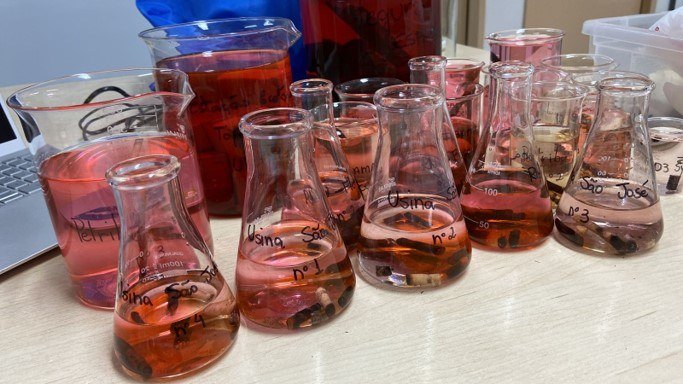
A tree’s age alone does not determine its suitability for bow making. What matters is the wood’s actual properties, including density, elasticity, strength, and heartwood development.
This presents an opportunity for sustainable management: trees can be assessed before any potential harvest. Suitable trees can be selected for use, while others remain standing, continue to grow, and fulfill their ecological role.
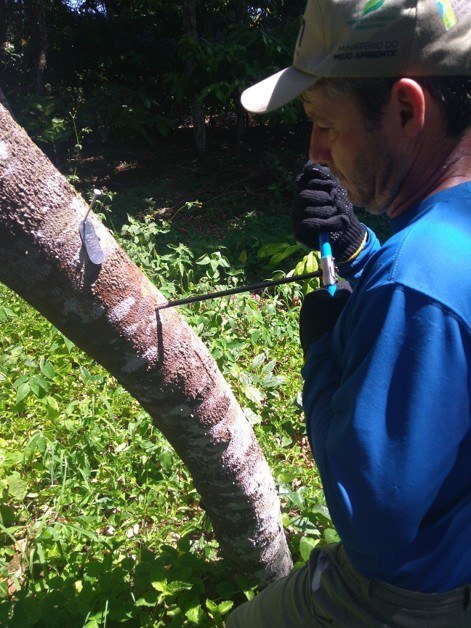
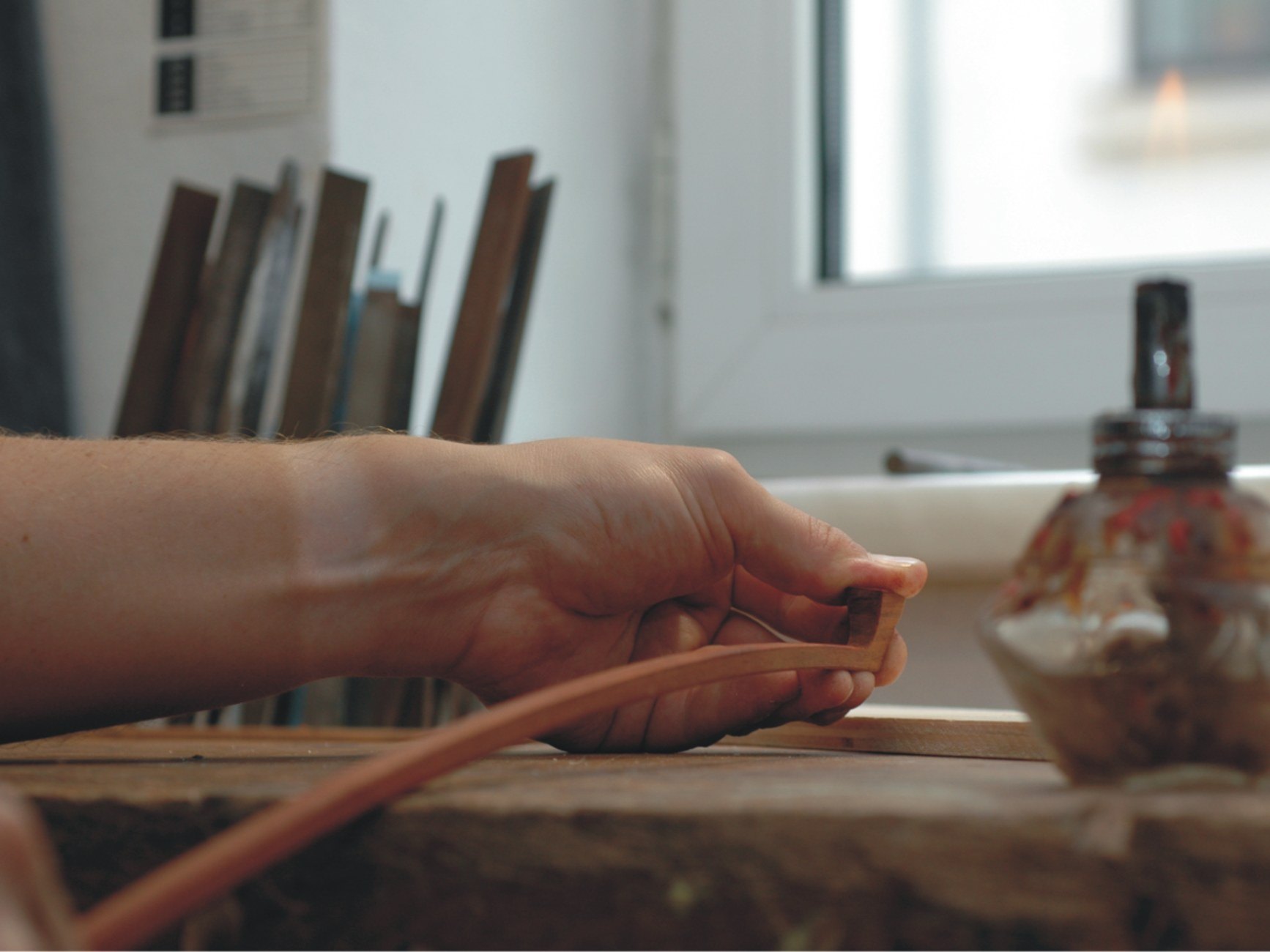
Sustainable use therefore means more than felling trees and planting replacements. Above all, it means using the right tree at the right time for the right purpose—and deliberately leaving other trees standing.
Plantations established in Brazil since the 1970s have already produced trees of sizes that may be relevant to bow making. Further scientific research is needed to determine which quality levels this wood can achieve.
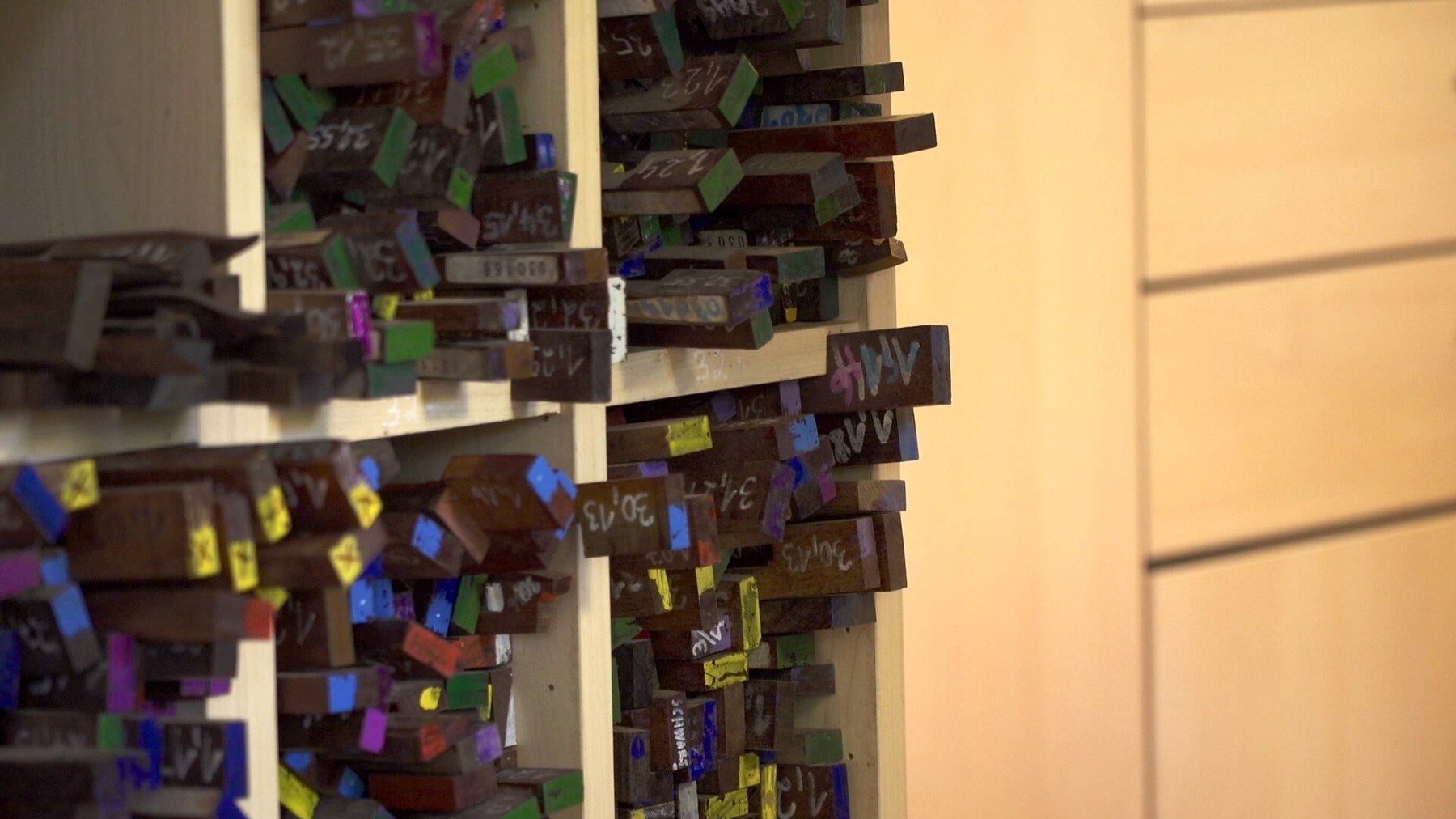
CITES After CoP20 in Samarkand

Brazil had proposed transferring pernambuco from Appendix II to Appendix I. That proposal was not adopted. Pernambuco remained in Appendix II, while the rules were tightened.
The new Annotation #10 has applied since March 5, 2026. A zero quota applies to commercial international trade in wild-sourced pernambuco (source code W). Certain noncommercial cross-border movements of finished bows, however, are exempt from CITES permit requirements.
These include personal use, paid and unpaid performances, exhibitions, loans, competitions, teaching, appraisal, and repairs, provided ownership does not change and the bow is not sold or transferred abroad.
Authorities and International Trade
CITES is an international agreement implemented by the competent authorities of individual countries. In Germany, the Federal Agency for Nature Conservation (BfN) is responsible for imports, exports, and re-exports; state authorities also play a role in documentation of origin and possession.
CITES rules and the required documentation remain essential for international sales or transfers of ownership. The term “pre-Convention” is particularly important: pernambuco was added to the CITES Appendices on September 13, 2007. For older material and bows made from it, the specimen’s documented history can therefore be highly significant.
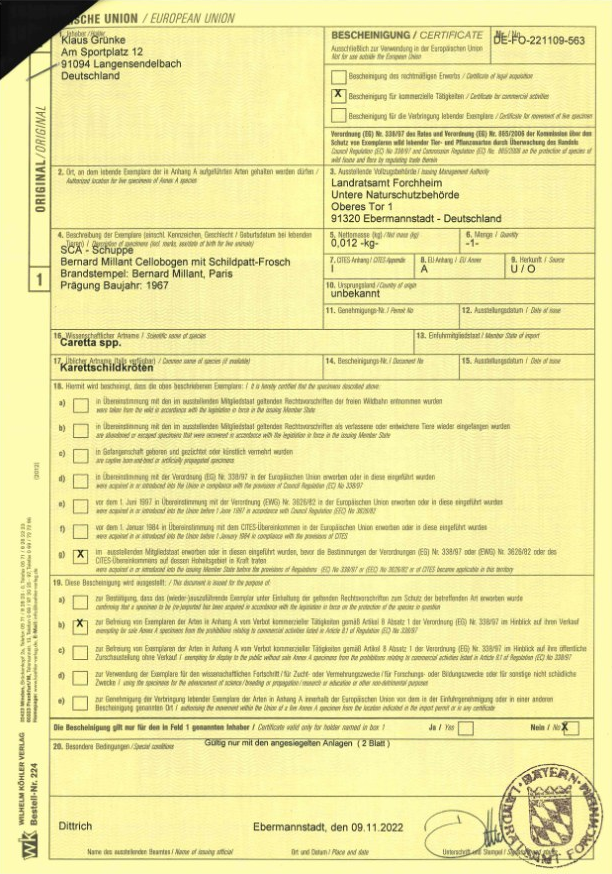
Preserving a Bow’s History
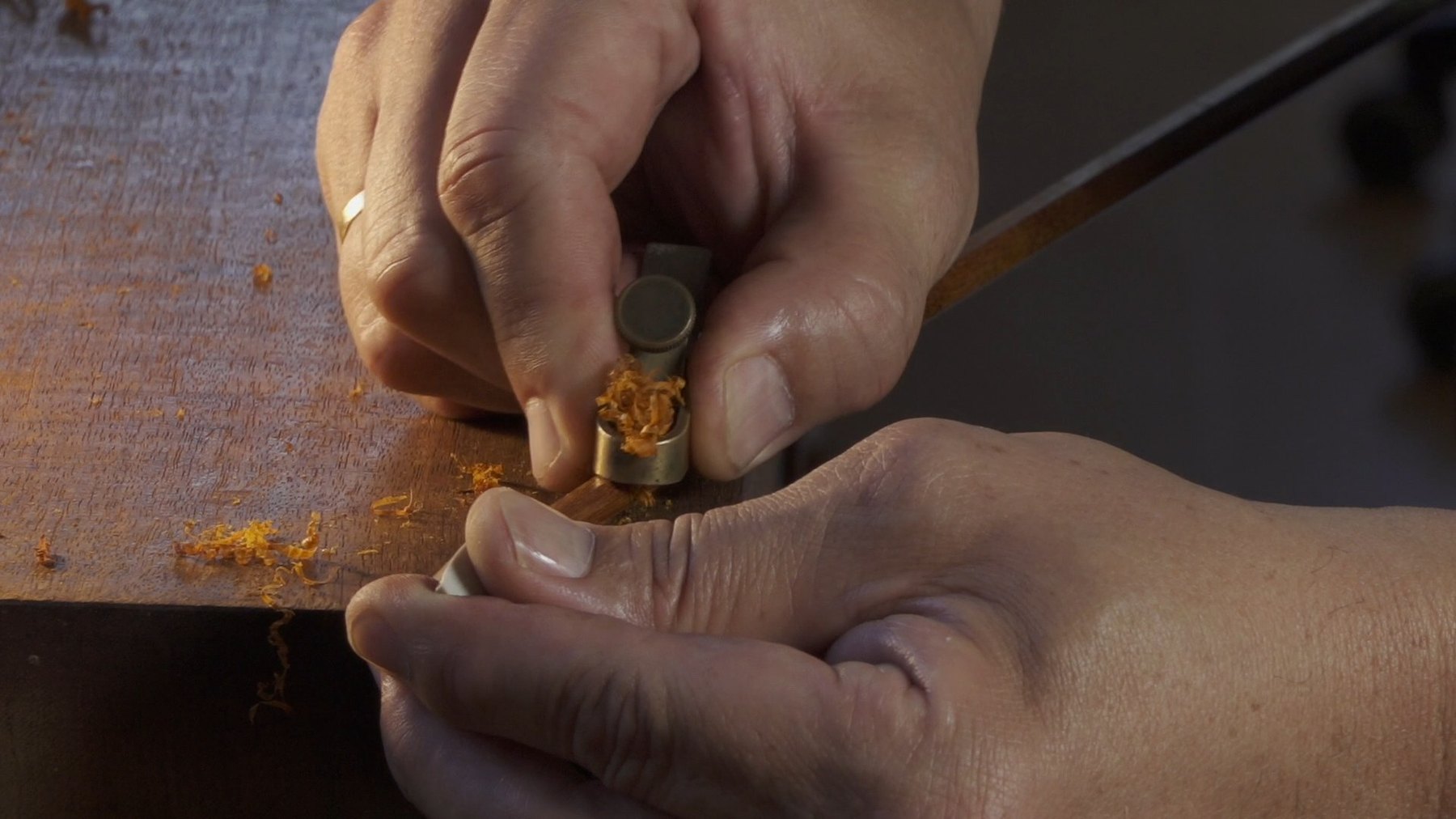
What may initially sound bureaucratic can be very practical for musicians. Questions about an old pernambuco bow may become important later: Who made it? How old is it? When was it acquired? Where did it come from? What documents still exist?
Invoices, expert appraisals, insurance records, declarations of materials, and a documented ownership history can help. The earlier existing information is brought together, the easier it will be to establish the bow’s history later.
New and Historical Bows Need Different Solutions
For a new bow, the supply chain can be documented from the wood’s source through the stock and workshop to the finished bow. For a bow that is one or two hundred years old, a supply chain that was never documented at the time cannot be invented retrospectively.
Future traceability must therefore do both: be as precise as possible for new bows, while taking a practical and realistic approach to the evidence actually available for historical bows.

Considering Conservation, Reforestation, and Legal Use Together
The decision in Samarkand does not mark the end of the work. The coming years will focus on practical implementation: reliable traceability, transparent material flows, documentation of existing stocks, workable rules for historical bows, and a legally secure framework for legally planted stocks in Brazil.
The essential question is no longer whether pernambuco should be protected. It is how to create a system that excludes illegally sourced wood, makes legal stocks traceable, supports reforestation and sustainable management, and recognizes that millions of bows already exist and have been part of our musical heritage for generations.
Musicians and bow makers are not the problem—they must be part of the solution.